

















Get In Touch
Contact Us Today for a
Comprehensive Analysis and Strategy Session.
Ready to level up your online game? Call (844) 200-6112 or dive into the form below.
Embrace the future of collaboration with OmniFunnel's Oculus 2 VR headset offer for valued clients. It's your entry into immersive VR meetings in the metaverse, redefining digital meetings and shaping virtual collaboration in the realm of web3.
While most marketing teams obsess over lagging indicators like revenue, conversion rates, and return on ad spend, forward-thinking organizations have shifted their focus to a more powerful metric: marketing velocity. This single KPI provides real-time insight into future revenue performance, allowing you to course-correct before quarterly targets slip out of reach.
Marketing velocity measures how quickly qualified leads move through your pipeline and convert into revenue. Unlike traditional metrics that tell you what already happened, velocity predicts what will happen next. According to research from HubSpot, lead velocity rate is often considered the best predictor of future revenue and remains unaffected by seasonality or team quality fluctuations. For marketing leaders seeking predictable growth, understanding and optimizing velocity has become non-negotiable.
This comprehensive guide will walk you through the methodology for calculating marketing velocity, establishing benchmarks for your industry, and implementing optimization strategies that directly impact your bottom line. Whether you're managing a small team or overseeing enterprise marketing operations, mastering velocity measurement transforms how you forecast revenue and allocate resources.
Marketing velocity represents the speed at which your marketing efforts generate qualified leads and convert them into paying customers. While the concept originates from sales pipeline management, its application to marketing provides unprecedented visibility into campaign performance and revenue predictability.
The metric synthesizes four critical components that collectively determine how fast revenue flows into your organization. Each element plays a distinct role in the velocity equation, and optimizing any single factor can dramatically accelerate your revenue growth trajectory.
Understanding marketing velocity requires breaking down the formula into its constituent parts. According to HubSpot's methodology, the standard formula is: Marketing Velocity = (Number of Qualified Opportunities × Average Deal Size × Conversion Rate) / Average Sales Cycle Length.
Number of Qualified Opportunities: This represents the total count of marketing-qualified leads (MQLs) or sales-qualified leads (SQLs) in your pipeline during a specific period. Quality matters more than quantity. A pipeline filled with 500 poorly qualified leads generates less velocity than 100 highly qualified prospects. Your lead qualification criteria should align with your ideal customer profile and historical conversion patterns.
Average Deal Size: Calculate this by dividing total revenue by the number of closed deals over a given timeframe. For businesses with diverse product lines or service tiers, segment your velocity calculations by deal size category. Enterprise deals naturally move slower but generate higher velocity due to their value, while smaller transactions close faster but may produce lower individual velocity.
Conversion Rate: This measures the percentage of qualified leads that ultimately convert into paying customers. Industry benchmarks vary widely, but OmniFunnel Marketing consistently achieves 7% conversion rates compared to the 2.35% industry average through AI-powered optimization and micro-segmented targeting. Even marginal improvements in conversion rate compound exponentially when calculating velocity.
Sales Cycle Length: Measured in days, this represents the average time from first qualified lead contact to closed deal. Reducing cycle length has a disproportionate impact on velocity because it appears as a denominator in the formula. Research from First Page Sage's 2025 analysis of 247 B2B organizations found that companies reducing sales cycles to 30-45 days achieve 38% higher velocity, though this often comes with smaller average deal sizes.

Implementing marketing velocity measurement requires establishing baseline metrics, determining appropriate measurement periods, and segmenting calculations for accuracy. Follow this systematic approach to generate reliable velocity data.
Begin by collecting historical data across all four velocity components for at least one quarter. Monthly fluctuations can distort velocity calculations, so best practices recommend measuring across six months to one year to account for seasonality and unusual deal cycles. Pull this data from your CRM, marketing automation platform, and revenue systems.
For qualified opportunities, export lead data filtered by your MQL or SQL criteria. For average deal size, calculate the mean value of all closed-won opportunities. Your conversion rate comes from dividing closed deals by total qualified opportunities. Sales cycle length requires analyzing the time delta between lead creation date and deal close date across all won opportunities.
Calculating a single velocity figure for your entire pipeline masks critical performance variations. Enterprise deals, mid-market opportunities, and small business transactions move at fundamentally different speeds with different economics. Create separate velocity calculations for each segment.
For example, your enterprise segment might show: 15 opportunities × $150,000 average deal size × 35% win rate / 180 days = $43,750 daily velocity. Meanwhile, your SMB segment could generate: 200 opportunities × $5,000 average deal size × 60% win rate / 30 days = $20,000 daily velocity. Despite lower individual deal values, the SMB segment's faster cycle time and higher conversion rate produces comparable velocity.
Marketing velocity becomes truly actionable when calculated at the channel and campaign level. This granular approach reveals which activities generate the fastest revenue impact. Apply the velocity formula separately to leads sourced from organic search, paid advertising, content marketing, social media, and other channels.
You'll likely discover that certain channels generate higher velocity despite lower lead volumes. A revenue marketing approach prioritizes these high-velocity channels in budget allocation decisions. OmniFunnel Marketing's proprietary DeepML technology analyzes search behavior patterns and micro-segments audiences to identify and scale the highest-velocity acquisition channels for each client.
Single-point velocity measurements provide limited value. The real insight comes from tracking velocity trends month-over-month and quarter-over-quarter. Increasing velocity signals healthy pipeline growth and predicts accelerating revenue. Declining velocity serves as an early warning system, alerting you to problems months before they impact closed revenue.
Complement your overall velocity calculations with Lead Velocity Rate (LVR), which specifically measures the month-over-month growth rate of qualified leads. LVR = ((Current Month Qualified Leads - Previous Month Qualified Leads) / Previous Month Qualified Leads) × 100. This metric isolates pipeline growth from other velocity components, helping you diagnose whether velocity changes stem from lead generation performance or other factors.
Context determines whether your velocity numbers represent strong performance or indicate room for improvement. Industry, business model, deal size, and growth stage all influence appropriate benchmarks.
For B2B SaaS companies, monthly lead velocity rates between 10-15% indicate healthy growth for early-stage companies. According to established SaaS metrics frameworks, companies should target at minimum 8% monthly LVR growth after reaching $3 million in annual recurring revenue to maintain 100% year-over-year growth trajectories.
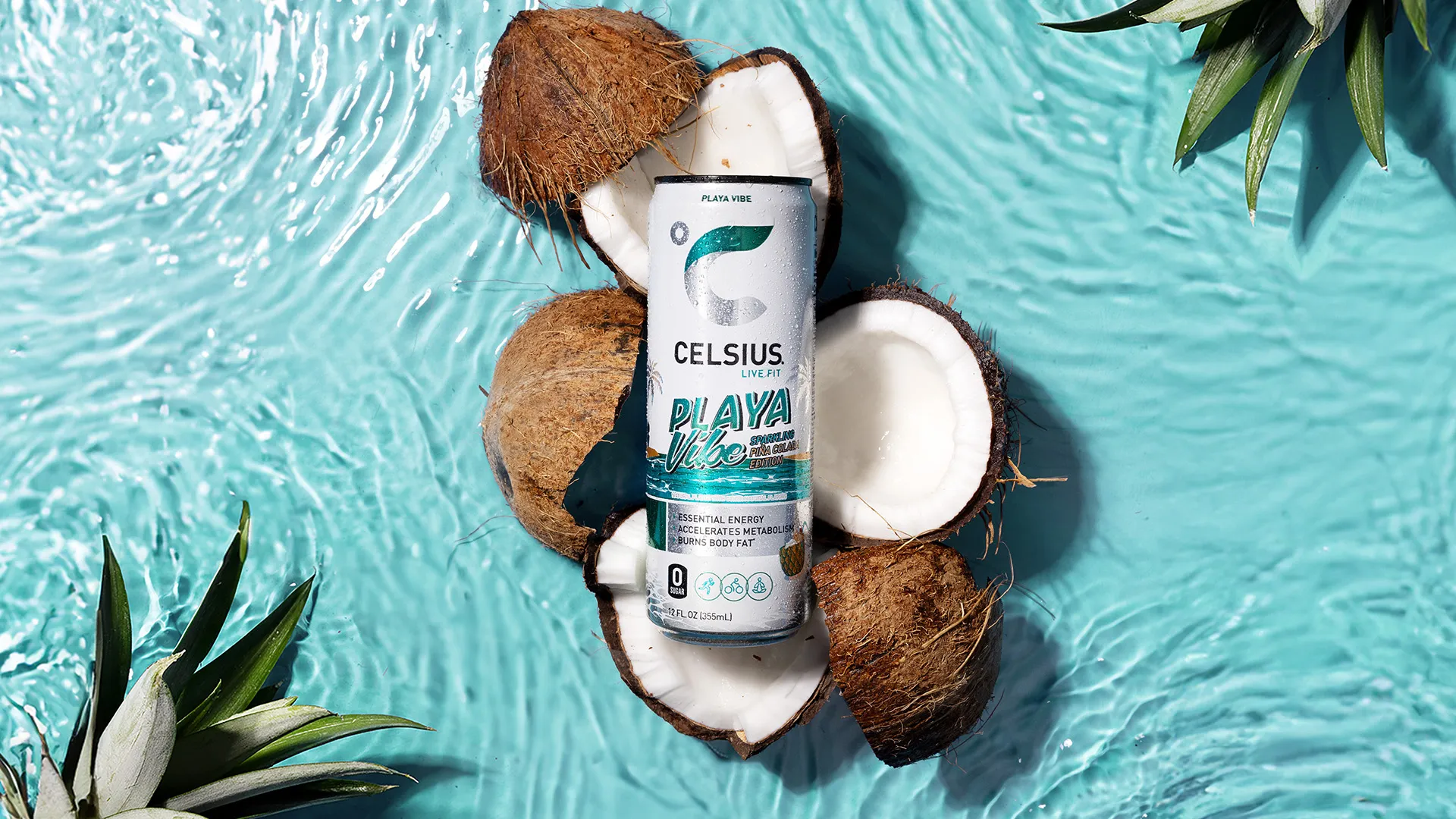
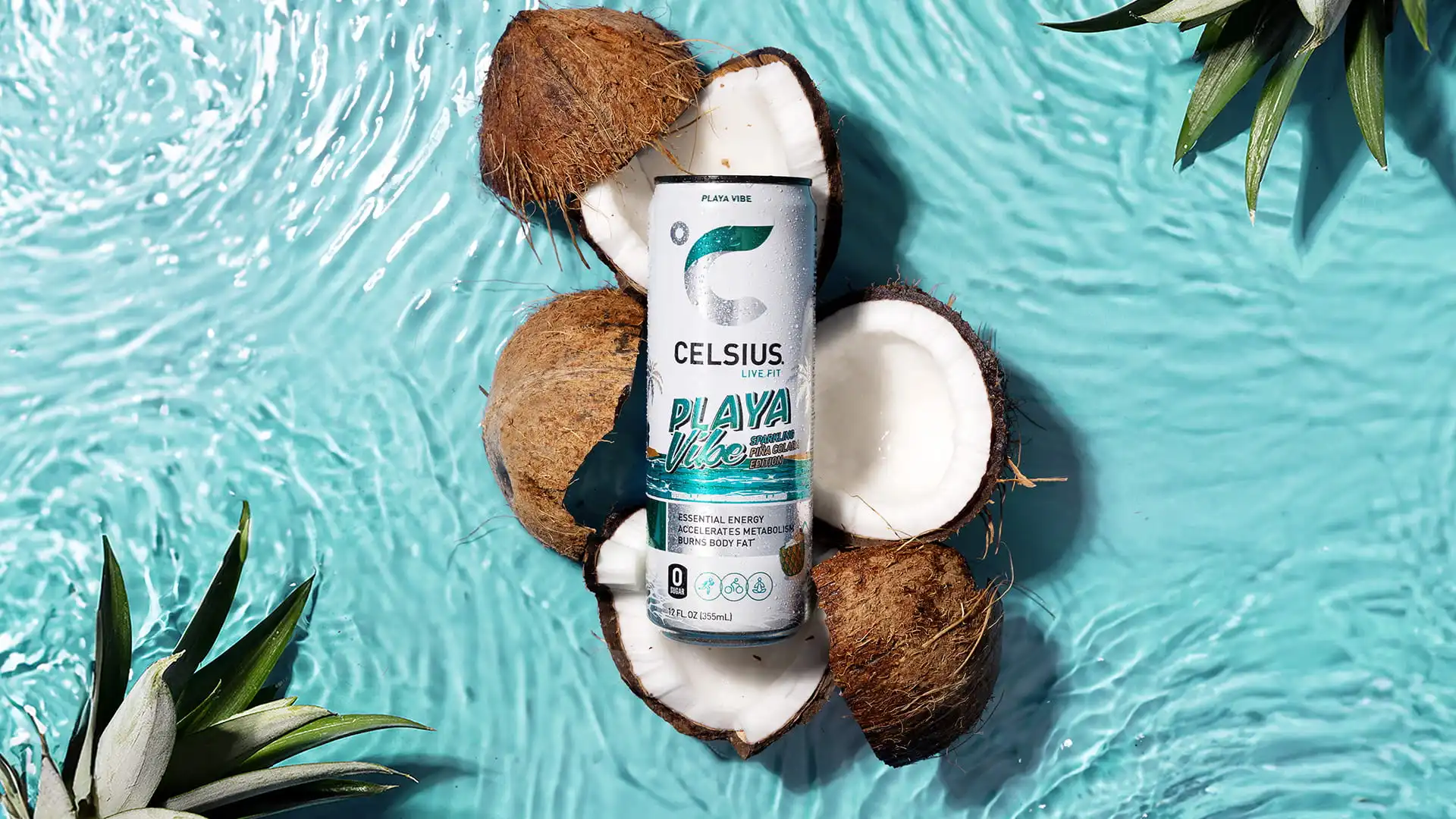
eCommerce businesses operate with fundamentally different velocity profiles due to shorter sales cycles and smaller transaction values. High-performing eCommerce brands often show sales cycles under 7 days with conversion rates between 2-5%. This generates daily velocity figures measured in thousands rather than the tens of thousands typical in B2B contexts. OmniFunnel Marketing has helped eCommerce clients like Celsius achieve 33% increases in product sales velocity through AI-integrated campaign optimization.
Enterprise B2B organizations face longer sales cycles (90-180 days) but larger deal sizes ($50,000-$500,000+). Velocity benchmarks focus less on daily revenue generation and more on maintaining consistent pipeline coverage ratios. A strong enterprise marketing team maintains pipeline velocity sufficient to deliver 3-4x coverage of quarterly revenue targets.
Early-stage companies should prioritize velocity acceleration over absolute velocity values. A startup generating $10,000 in daily velocity but growing at 20% monthly demonstrates healthier trajectory than an established company with $100,000 daily velocity growing at 3% monthly. Focus on the rate of change in velocity metrics rather than the absolute numbers.
Companies in growth or scale stages benefit from implementing Revenue Operations (RevOps) frameworks that align marketing velocity with sales capacity and customer success capabilities. Velocity without alignment creates bottlenecks. Your marketing team might generate impressive lead velocity, but if sales can't handle the volume or quality suffers, conversion rates and deal sizes decline, ultimately reducing realized velocity.
Understanding your velocity numbers is the starting point. The real value comes from systematically optimizing each component of the velocity equation. These eight strategies have proven effective across diverse industries and business models.
Paradoxically, generating fewer but higher-quality leads often increases velocity. Stricter qualification criteria reduce the number of opportunities in your pipeline but dramatically improve conversion rates and shorten sales cycles. Implement lead scoring models that incorporate demographic data, behavioral signals, and predictive analytics.
OmniFunnel Marketing's AI-powered lead qualification systems analyze hundreds of data points to predict which leads will convert fastest and at the highest value. This approach helped MSI achieve 33% new user growth by focusing marketing resources on the highest-velocity segments. Rather than pursuing every possible lead, the system identifies prospects matching historical patterns of fast-moving, high-value customers.
Sales cycle length appears in the velocity formula's denominator, meaning reductions create exponential velocity gains. A 20% reduction in cycle time produces a 25% increase in velocity, assuming all other factors remain constant. Map your current buyer's journey to identify friction points and unnecessary delays.
Common cycle compression tactics include: providing self-service product demos, creating decision-maker-specific content assets, implementing automated nurture sequences that deliver the right content at the right stage, streamlining proposal and contract processes, and offering flexible pricing or packaging that reduces procurement complexity. Marketing automation plays a crucial role in maintaining engagement velocity between sales touchpoints.
Increasing average deal value directly multiplies velocity without requiring more leads. Analyze your product or service portfolio to identify upsell and cross-sell opportunities that can be introduced during the initial sale. Bundle complementary offerings, create tiered pricing that anchors prospects to higher-value packages, and train sales teams to qualify for budget rather than pitching to initial stated budget.
For service businesses, restructuring retainer packages to include additional deliverables at a higher price point can increase deal size by 30-50% without proportionally extending sales cycles. For product companies, introducing annual payment options with modest discounts versus monthly billing significantly increases deal size while potentially shortening cash conversion cycles.
Conversion rate improvements offer the most sustainable path to velocity acceleration because they compound across your entire pipeline. Even moving from 3% to 4% conversion represents a 33% velocity increase. Multi-channel measurement and optimization helps identify conversion levers across the customer journey.
Implement dynamic content personalization based on industry, company size, role, and behavioral history. Create segment-specific landing pages for paid campaigns. Develop nurture sequences that adapt based on engagement patterns. Use retargeting to re-engage prospects who showed initial interest but didn't convert. OmniFunnel Marketing's clients consistently achieve conversion rates 3x higher than industry benchmarks through AI-powered personalization and micro-segmentation.
Not all lead sources generate equal velocity. Calculate velocity by channel to identify your highest-performing acquisition sources, then systematically shift budget and resources toward these channels. You'll often discover that channels generating the most leads don't produce the fastest revenue.
For example, content marketing might generate leads with 90-day sales cycles at 40% conversion rates, while paid search produces leads closing in 45 days at 25% conversion. Despite lower conversion rates, paid search generates higher velocity due to cycle time compression. This doesn't mean abandoning content marketing, it means understanding the velocity profile of each channel and setting appropriate expectations and goals.

Historical velocity data becomes exponentially more valuable when processed through predictive analytics models. These systems identify patterns that predict which leads will move fastest through your pipeline, which deals are likely to stall, and where intervention will have the greatest impact on velocity.
Predictive analytics implementation enables proactive velocity management rather than reactive reporting. OmniFunnel Marketing's proprietary DeepML technology applies machine learning algorithms to campaign data, automatically identifying and scaling high-velocity audiences while reducing spend on slow-moving segments. This approach helped MSCHF achieve a 140% increase in ROAS by optimizing toward velocity rather than simple lead volume.
Marketing velocity optimization requires alignment between marketing, sales, and revenue operations teams. Siloed metrics create optimization conflicts where marketing celebrates lead volume increases while sales struggles with quality issues that reduce actual velocity. Cross-functional dashboards create shared visibility and accountability.
Effective velocity dashboards display: current daily/weekly/monthly velocity by segment, velocity trend lines with historical comparison, lead velocity rate (LVR), component metrics (opportunities, deal size, conversion rate, cycle length), velocity by channel and campaign, and forecast revenue based on current velocity trends. Update these dashboards in real-time using CRM and marketing automation integrations, making velocity a living metric that drives daily decisions rather than a quarterly reporting exercise.
Treat velocity optimization as an ongoing experimental process rather than a one-time initiative. Establish a testing framework that evaluates how specific changes impact each component of the velocity equation. Test messaging variations, content offers, qualification criteria, nurture cadences, and sales handoff processes.
Structure your tests to isolate individual velocity components. For example, test different lead scoring thresholds to understand the quality-quantity tradeoff in your pipeline. Test various content formats to identify which assets compress sales cycles most effectively. Test pricing and packaging variations to optimize deal size without extending cycles. Document results and build a velocity optimization playbook that captures institutional knowledge.
Even sophisticated marketing teams make critical errors when implementing velocity measurement. Avoid these common pitfalls to ensure your velocity data drives accurate decisions.
Measuring velocity across your entire pipeline without segmentation masks critical performance variations. Enterprise deals, mid-market opportunities, and SMB transactions operate with completely different economics and timelines. A single velocity figure provides no actionable insight into which segments are performing and which need attention.
Always segment velocity calculations by deal size, industry vertical, product line, and acquisition channel at minimum. This granularity reveals optimization opportunities that aggregate data obscures.
Monthly velocity calculations capture too much noise from random variation. A single large deal closing or unusual seasonal spike distorts the data and leads to misguided conclusions about underlying trends. Short measurement periods also fail to capture full sales cycles, particularly for complex B2B sales.
Measure velocity across at least quarterly periods, preferably six months to one year for initial baseline establishment. Once you understand your baseline, you can monitor month-over-month trends while remembering that individual monthly fluctuations may not be statistically significant.
If your definition of a qualified lead shifts over time, your velocity calculations become unreliable for trend analysis. Marketing teams often loosen qualification criteria when struggling to hit lead volume targets, artificially inflating opportunity counts while reducing conversion rates and extending sales cycles. The result is declining velocity masked as pipeline growth.
Document explicit lead qualification criteria and enforce them consistently. Implement technical controls in your CRM that prevent leads from advancing to qualified status without meeting documented standards. Treat qualification criteria as constants in your velocity equation, changing them only deliberately and documenting the impact on historical comparisons.
The velocity formula's multiplicative nature means optimizing one component while damaging another produces no net benefit. Marketing teams often pursue lead volume growth that reduces average lead quality, shortening sales cycles by lowering prices which reduces deal size, or improving conversion rates by loosening qualification standards which increases opportunities but reduces actual revenue quality.
Evaluate all optimization initiatives against their impact on total velocity rather than individual components. A 20% increase in lead volume that reduces conversion rates by 15% and extends sales cycles by 10% actually decreases overall velocity despite the surface-level improvement in opportunity count.
The most common and costly mistake is treating velocity as a reporting metric rather than an operational tool. Teams diligently calculate velocity figures, build beautiful dashboards, and present findings in executive meetings, but fail to translate insights into concrete actions that improve performance.
Establish clear accountability for velocity improvement. Set velocity targets for marketing, sales, and revenue operations teams. Tie compensation and recognition to velocity metrics. Create weekly or bi-weekly velocity review meetings where teams analyze current performance, identify barriers, and commit to specific optimization experiments. Velocity measurement only creates value when it drives behavior change.
Implementing comprehensive marketing velocity measurement requires systematic effort across people, processes, and technology. This 90-day roadmap provides a practical framework for organizations beginning their velocity optimization journey.
Begin by auditing your current data infrastructure and establishing baseline measurements. Document your lead qualification criteria, export at least six months of historical pipeline data, calculate baseline velocity by segment and channel, and identify data quality issues that prevent accurate measurement. This phase focuses on understanding your current state before attempting optimization.
Key deliverables include: documented data dictionary defining all velocity components, baseline velocity calculations by segment and channel, data quality improvement backlog, and initial velocity dashboard mockup. Involve stakeholders from marketing, sales, and revenue operations in this foundation phase to ensure alignment on definitions and methodology.
Build your velocity dashboard using your existing BI tools or marketing analytics platform. Create views for different stakeholder groups, executives need high-level velocity trends and forecasts, marketing leaders need channel and campaign-level detail, and sales leaders need visibility into how marketing-generated pipeline performs through the full revenue cycle.
Conduct training sessions that explain velocity concepts, demonstrate dashboard usage, and establish reporting rhythms. Schedule weekly velocity review meetings where marketing and sales teams jointly analyze performance. This phase transforms velocity from a theoretical concept into an operational reality that drives daily decisions.
Launch your first round of velocity optimization experiments. Based on baseline analysis, identify your biggest opportunities, typically the component showing the most significant gap versus benchmarks or the factor where small improvements generate outsized velocity gains. Design and launch 2-3 controlled tests targeting these opportunities.
By day 90, you should have initial test results, refined velocity dashboards incorporating user feedback, documented best practices and learnings, and a backlog of future optimization experiments. More importantly, velocity thinking should be embedded in how your marketing team evaluates opportunities and makes resource allocation decisions. The goal isn't perfection by day 90, it's building sustainable momentum toward continuous velocity improvement.
Effective velocity measurement requires integrating data across your marketing technology stack. While you can calculate basic velocity manually, scaling velocity optimization across multiple segments, channels, and campaigns demands purpose-built technology.
Your CRM serves as the system of record for velocity calculations, capturing opportunity creation dates, deal values, close dates, and deal stage progression. Ensure your CRM implementation includes: standardized lead status values aligned to your qualification criteria, required fields that prevent incomplete data from corrupting calculations, date stamps for all key stage transitions, and custom fields for lead source and campaign attribution.
Marketing automation platforms provide the lead-level data that feeds into velocity calculations. Integrate your marketing automation system with your CRM to ensure seamless data flow. Track lead source, campaign attribution, content engagement, and behavioral scoring within your automation platform, then sync this data to CRM records for comprehensive velocity analysis.
Purpose-built BI tools or marketing analytics platforms transform raw CRM and marketing automation data into actionable velocity insights. These systems calculate velocity across segments, visualize trends, and generate forecasts. Look for platforms that offer: pre-built marketing analytics data models, customizable dashboard builders, automated reporting and alerting, and predictive analytics capabilities.
AI-powered analytics platforms take velocity optimization to the next level by automatically identifying patterns and opportunities that human analysts might miss. OmniFunnel Marketing's proprietary DeepML technology continuously analyzes campaign performance across hundreds of variables, automatically reallocating resources toward high-velocity segments and away from underperforming areas. This automation enables consistent velocity improvement without requiring constant manual analysis and adjustment.
Marketing velocity represents a fundamental shift from backward-looking metrics to forward-looking performance management. While traditional KPIs tell you how you performed last quarter, velocity tells you how you'll perform next quarter. This predictive power transforms marketing from a cost center into a strategic revenue engine.
The organizations winning in competitive markets share a common characteristic: they measure and optimize velocity relentlessly. They understand that revenue growth isn't primarily about generating more leads, it's about increasing the speed at which leads convert to revenue. They've moved beyond vanity metrics like website traffic and social media followers to focus exclusively on metrics that predict revenue outcomes.
Implementing velocity measurement requires upfront investment in data infrastructure, process alignment, and technology enablement. The return on this investment manifests as predictable revenue growth, more efficient resource allocation, and competitive advantage in markets where speed determines winners and losers. Organizations that master velocity optimization generate more revenue from the same marketing budgets, close deals faster than competitors, and scale more efficiently because their systems optimize toward the metrics that actually drive growth.
Start with the fundamentals: establish baseline velocity calculations, build visibility through dashboards, and launch your first optimization experiments. Focus on quick wins that demonstrate velocity thinking's value to skeptical stakeholders. As velocity improvement becomes embedded in your organizational culture, expand measurement sophistication and optimization ambition.
The question isn't whether to measure marketing velocity, it's whether you can afford not to. While your competitors optimize for yesterday's metrics, you'll be optimizing for tomorrow's revenue. That difference compounds into insurmountable competitive advantage.

As a beacon of innovation, we guide your business through the evolving digital landscape with cutting-edge solutions.

Our steadfast reliability anchors your strategic endeavors, ensuring consistent delivery and performance.

We harness state-of-the-art technology to provide smart, scalable solutions for your digital challenges.

Our extensive experience in the digital domain translates into a rich tapestry of success for your brand.

Upholding the highest standards of digital security, we protect your business interests with unwavering vigilance.

We offer a stable platform in the tumultuous digital market, ensuring your brand's enduring presence and growth.
OmniFunnel Marketing has garnered notable recognition from a range of prestigious media outlets. This acknowledgment from leading publications not only underscores our expertise in the digital marketing realm but also highlights our commitment to delivering exceptional marketing strategies. Our presence in these prominent media sources is a testament to the trust and value we bring to our clients, elevating their marketing efforts to new heights.





As a beacon of innovation, we guide your business through the evolving digital landscape with cutting-edge solutions.
Our steadfast reliability anchors your strategic endeavors, ensuring consistent delivery and performance.
We harness state-of-the-art technology to provide smart, scalable solutions for your digital challenges.
Our extensive experience in the digital domain translates into a rich tapestry of success for your brand.
Upholding the highest standards of digital security, we protect your business interests with unwavering vigilance.
We offer a stable platform in the tumultuous digital market, ensuring your brand's enduring presence and growth.

Experienced Senior Teams
Profit-First Strategy & Consulting
Channel-Specific Paid Media
Tracking & Attribution Specialists
Conversion Rate Optimization (CRO)
In-House Developers
In-House Creative Production
Proprietary First-Party Data Priming
Full-Funnel Feedback Loops
AI Voice Agents & Automated
AI Content Engine
MCP + LLM Real-Time Optimization
Value-Based Bidding & ROI
Installed CMO Leadership
You Own All Assets






Our talented team brings 20+ years of expertise and passion.

Michael Tate, CEO and Co-Founder of OmniFunnel Marketing, is a pioneering leader in leveraging AI and machine learning (ML) technologies to revolutionize digital marketing. With over 20 years of expertise in new media sales, Michael has distinguished himself as an SEO/SEM specialist, adept at integrating AI-driven strategies to enhance paid performance marketing. Since January 2016, he has been instrumental in transforming OmniFunnel Marketing into a hub of innovation, particularly in the legal and medical sectors. His philosophy, “more visibility without more expenditure,” is brought to life through AI-powered marketing tools, offering small and medium-sized firms a competitive edge.
His role involves not just client engagement but also orchestrating AI and ML tools to optimize marketing strategies for ROI maximization. Michael's expertise in AI-driven data analysis and workflow automation enables businesses to achieve unprecedented productivity and efficiency, ensuring robust online presence and profitability.
.webp)
Former foreign policy advisor turned digital marketing and communications consultant, Kalinda's extensive professional journey spans nearly two decades across both public and private sectors. Her expertise lies in strategic and creative marketing strategy, as well as communications management for businesses, associations, and government agencies. Having lived and worked globally, she has had the privilege of assisting businesses—both in the US and abroad—achieve their goals through impactful social media campaigns, community building, outreach, brand recognition, press relations, and corporate communication.
Kalinda's passion lies in cultivating meaningful relationships among stakeholders while building lasting digital brands. Her signature approach involves delving into each client’s unique needs and objectives from the outset, providing highly customized, bespoke service based on their needs. From political leaders to multi-unit restaurant concepts and multi-million dollar brands, Kalinda has successfully guided a diverse range of clients reach and exceed their digital marketing, public relations, and sales goals.

OmniFunnel Marketing's Director of Search Marketing, brings close to 15 years of digital marketing experience to leading the agency's paid media strategy. A dedicated Google Ads specialist at his core, Juan's command extends across Meta, TikTok, and Amazon, with a primary focus on ecommerce and an equally sharp discipline in lead generation. He has built and scaled campaigns across virtually every vertical, from local service businesses to national, multi-market accounts, and his leadership has been central to establishing paid media as one of OmniFunnel's most consistent growth engines.
What separates Juan's work is the conviction that campaigns are only as good as the signal beneath them. Before a dollar scales, he pressure tests the full measurement layer, tracking architecture, event design, and the quality of the conversion data flowing back to each platform, and he operates daily inside attribution platforms like Triple Whale and Northbeam, reconciling what Meta, Google, TikTok, and Amazon each claim against what the business actually banked. That foundation powers the fundamentals that move results: precise account structure, disciplined budget management, and relentless, data-driven testing and optimization, increasingly paired with AI-powered tools to sharpen targeting and surface insights faster. The combination lets OmniFunnel Marketing scale client accounts sustainably, growing spend and revenue in tandem while delivering measurable, lasting business growth.

Camila is a pioneering digital marketing leader who began shaping influencer strategy before it became an industry standard, partnering with mega brands like H&M, Universal Music, FabFitFun, FoxyBae, and Amika to name a few. An early adopter and entrepreneur, she evolved from affiliate manager to blogger to 7-figure ecommerce brand founder, and later accelerated growth for an innovative Silicon Valley software startup redefining personal health data ownership and user empowerment. Along the way, she played a pivotal role in educating leading global agencies, including Starcom, Ogilvy, and Universal McCann, on the power of influencer marketing in its formative years.
At OmniFunnel Marketing, Camila leads creative across every major social platform, Meta, Instagram, TikTok, YouTube, and beyond, carrying concepts from insight through finished production, often in front of the camera herself. She owns the full customer lifecycle as well, with expert command of email and SMS automation inside platforms like Klaviyo, building the flows, segmentation, and campaigns that turn first purchases into durable repeat revenue. With deep expertise in customer acquisition, scalable strategy, and trend forecasting, Camila bridges the gap between people and brands, aligning KPIs with market realities while delivering measurable growth. She remains at the forefront of digital innovation, integrating the power of AI with human insight to fuel growth, relevance, and long-term brand value.

Emma Harris, Chief Operating Officer (COO) of OmniFunnel Marketing, Emma plays a pivotal role in steering the operational direction and strategy of the agency. Her responsibilities are multi-faceted, encompassing various aspects of the agency's operations.
Emma utilizes her extensive operational experience to lead and oversee the agency's day-to-day operations. She is responsible for developing and implementing operational strategies that align with the agency's long-term goals and objectives. Her strategic mindset enables her to foresee market trends and adapt operational strategies accordingly, ensuring the agency remains agile and competitive.

Joseph Pagan, OmniFunnel Marketing's Director of Design & Development, is a visionary in integrating AI and ML into creative design and web development. His belief in the synergy of UI/UX, coding, and AI technologies has been pivotal in advancing OmniFunnel's design and development frontiers. Joseph has led his department in leveraging AI and workflow automation to create websites that are not only aesthetically pleasing but highly functional and intuitive
His approach involves using advanced AI tools to streamline web development processes, ensuring adherence to top-notch coding standards and design guidelines. This leads to enhanced efficiency, accuracy, and client satisfaction. Joseph's extensive experience across different design and development domains, combined with his proficiency in AI and ML, empowers OmniFunnel Marketing to deliver cutting-edge, user-centric digital solutions that drive business growth and customer engagement.

Sarah Martinez, as the Marketing Manager at OmniFunnel Marketing, holds a crucial role in shaping and executing the marketing strategies of the agency. Her responsibilities are diverse and impactful, directly influencing the brand's growth and presence in the market.
Sarah is responsible for crafting and overseeing the execution of marketing campaigns. This involves understanding the agency's objectives, identifying target audiences, and developing strategies that effectively communicate the brand's message. She ensures that each campaign is innovative, aligns with the agency's goals, and resonates with the intended audience.
Discover Success Stories from OmniFunnel's Diverse Portfolio.
Dive into the narratives of our clients who have embraced OmniFunnel's AI-driven marketing solutions to monumental success. Their experiences underscore our commitment to harnessing artificial intelligence for strategic marketing that not only reaches but resonates with target audiences, fostering robust engagement and exceptional growth.
Kevin Stranahan
Jane Martinez
David Butler
Discover Success Stories from OmniFunnel's Diverse Portfolio.
Dive into the narratives of our clients who have embraced OmniFunnel's AI-driven marketing solutions to monumental success. Their experiences underscore our commitment to harnessing artificial intelligence for strategic marketing that not only reaches but resonates with target audiences, fostering robust engagement and exceptional growth.
"OFM's expertise in eCommerce marketing is unparalleled. They optimized our PPC campaigns, revamping our ad spend to yield an astounding ROI. If you're looking to make waves in the digital world, look no further than OFM."
Kevin Stranahan
"Transparency and innovation are at the core of OFM’s services. Their monthly reports are comprehensive, and their readiness to adapt and innovate is remarkable. We've finally found a digital marketing agency we can trust for the long haul."
Jane Martinez
"OmniFunnel's AI solutions have exceeded our expectations and delivered outstanding results."
David Butler
Discover Success Stories from OmniFunnel's Diverse Portfolio.
Dive into the narratives of our clients who have embraced OmniFunnel's AI-driven marketing solutions to monumental success. Their experiences underscore our commitment to harnessing artificial intelligence for strategic marketing that not only reaches but resonates with target audiences, fostering robust engagement and exceptional growth.
"OFM's expertise in eCommerce marketing is unparalleled. They optimized our PPC campaigns, revamping our ad spend to yield an astounding ROI. If you're looking to make waves in the digital world, look no further than OFM."
Kevin Stranahan
"Transparency and innovation are at the core of OFM’s services. Their monthly reports are comprehensive, and their readiness to adapt and innovate is remarkable. We've finally found a digital marketing agency we can trust for the long haul."
Jane Martinez
"OmniFunnel's AI solutions have exceeded our expectations and delivered outstanding results."
David Butler
At OmniFunnel Marketing, we pride ourselves on being a beacon of innovation and excellence in the digital marketing world. As an award-winning agency, we are celebrated for our pioneering strategies and creative ingenuity across the digital landscape. Our expertise is not confined to a single aspect of digital marketing; rather, it encompasses a full spectrum of services, from SEO and PPC to social media and content marketing. Each campaign we undertake is an opportunity to demonstrate our skill in driving transformative results, making us a trusted partner for businesses seeking to navigate and excel in the complex digital arena. Our holistic approach ensures that every facet of digital marketing is leveraged to elevate your brand, engage your audience, and achieve outstanding growth and success



.webp)









Ready to level up your online game? Call (844) 200-6112 or dive into the form below.