

















Get In Touch
Contact Us Today for a
Comprehensive Analysis and Strategy Session.
Ready to level up your online game? Call (844) 200-6112 or dive into the form below.
Embrace the future of collaboration with OmniFunnel's Oculus 2 VR headset offer for valued clients. It's your entry into immersive VR meetings in the metaverse, redefining digital meetings and shaping virtual collaboration in the realm of web3.
The direct-to-consumer landscape has transformed dramatically over the past five years. With global DTC eCommerce sales expected to surge from $163 billion in 2024 to nearly $595 billion by 2033, representing a compound annual growth rate of 15.4%, the opportunity for brands has never been greater. Yet, according to industry research, roughly 90% of DTC startups close by year five. The difference between thriving brands and those that fade into obscurity often comes down to one critical capability: the ability to scale performance marketing effectively while maintaining profitability.
Scaling performance marketing is not simply about increasing ad spend and hoping for proportional returns. High-growth eCommerce companies understand that sustainable scaling requires a sophisticated approach that balances customer acquisition costs, lifetime value optimization, multi-channel orchestration, and data-driven decision-making. This comprehensive guide reveals the proven strategies that successful DTC brands use to scale their performance marketing from thousands to millions in monthly revenue while maintaining healthy unit economics.
Performance marketing is a results-driven approach where advertisers pay only when specific actions occur—clicks, conversions, sales, or leads. Unlike traditional brand awareness campaigns, every dollar invested in performance marketing can be directly tied to measurable business outcomes. For DTC brands, this accountability makes performance marketing the primary growth engine, enabling rapid experimentation and optimization based on real-time data.
The foundation of successful performance marketing rests on understanding and optimizing key metrics. Customer Acquisition Cost (CAC) represents the total investment required to acquire a new customer, including ad spend, creative production, agency fees, and promotional discounts. According to customer acquisition experts, many DTC brands make the critical error of focusing solely on paid media costs while ignoring the complete picture. True CAC includes everything from influencer partnerships to the salaries of your marketing team members working on acquisition campaigns.
Customer Lifetime Value (LTV) predicts the total revenue a customer will generate throughout their relationship with your brand. The LTV:CAC ratio serves as the ultimate health metric for DTC businesses. Forbes suggests that lasting brands maintain at least a 1.5 LTV:CAC ratio, but truly healthy, scalable brands target a ratio of 3:1 or higher. This margin provides the financial cushion needed to weather market fluctuations, test new channels, and invest in customer retention programs that compound growth over time.
Beyond CAC and LTV, high-performing DTC brands obsessively track conversion rate, average order value (AOV), return on ad spend (ROAS), and retention metrics. Research shows that 60% of DTC brand revenue comes from returning customers, making retention rate and churn rate equally important as acquisition metrics. Understanding these interconnected metrics creates the foundation for intelligent scaling decisions.
The digital advertising landscape has become increasingly competitive and expensive. More brands are competing for the same digital real estate across platforms like Google, Facebook, Instagram, and TikTok, driving up costs per click and cost per acquisition. What worked at $10,000 monthly ad spend rarely works the same way at $100,000 monthly spend—algorithms behave differently, audience saturation occurs, and creative fatigue sets in faster than anticipated.
Privacy regulations and platform changes have fundamentally altered targeting capabilities. Apple's iOS 14 update and the gradual deprecation of third-party cookies have made precise audience targeting more difficult. In 2024, 54% of DTC marketers relied heavily on third-party data, but by spring 2025, a dramatic shift occurred—92% now predict that first-party data will play the most significant role in generating strong campaign outcomes. This transition requires brands to completely rethink their data collection and activation strategies.
The proliferation of marketing channels creates both opportunity and complexity. Today's DTC brands must orchestrate performance across search engines, multiple social platforms, streaming TV, retail media networks, email, SMS, and emerging channels like social commerce. Each platform operates with unique algorithms, bidding strategies, creative requirements, and audience behaviors. Managing this complexity while maintaining consistent brand messaging and tracking cross-channel attribution demands sophisticated marketing operations.
Content production struggles to keep pace with scaling demands. High-performing ads burn out quickly, requiring constant creative refresh. User-generated content has become essential—brands using UGC in Facebook ads see 4X higher click-through rates and 50% lower cost per click compared to traditional creative. Yet sourcing, managing, and deploying UGC at scale presents operational challenges that many growing brands struggle to solve efficiently.
Vertical scaling means extracting more value from your existing successful channels by increasing investment while maintaining or improving efficiency metrics. When you've identified winning campaigns, audiences, and creative approaches, vertical scaling allows you to capture more market share before reaching saturation. This strategy works best when you have clear room for growth within your current customer segments and geographic markets.
The most straightforward vertical scaling approach involves expanding to lookalike and similar audiences based on your best-performing customer segments. Platforms like Meta and Google use machine learning to identify users who share characteristics with your highest-value customers. Start with narrow lookalike percentages (1-3%) based on your top 5-10% of customers by LTV, then gradually expand to broader audiences as you validate performance. OmniFunnel Marketing's proprietary DeepML technology takes this further by analyzing vast datasets to identify non-obvious audience patterns that traditional lookalike modeling misses, consistently achieving 7% conversion rates compared to the industry average of 2.35%.
Bid strategy optimization plays a critical role in vertical scaling. As budgets increase, shifting from manual bidding to automated strategies like Target ROAS or Target CPA allows algorithms to find conversion opportunities across broader inventory. However, automation requires sufficient conversion volume—generally at least 50 conversions per week per campaign—to train algorithms effectively. Brands scaling from $5,000 to $50,000 monthly spend should implement advanced Google Ads strategies for eCommerce businesses that leverage smart bidding while maintaining strategic controls.
Structured creative testing frameworks prevent the performance degradation that typically accompanies scaling. Implement a continuous testing cycle where 70% of budget goes to proven winners, 20% to promising challengers, and 10% to new experimental creative. Test one variable at a time—hook, offer, visual style, call-to-action—to understand what drives performance differences. High-growth brands produce 3-5 new creative variations weekly, using rapid testing to identify winners before creative fatigue erodes campaign performance.
Dayparting and geographic expansion offer additional vertical scaling levers. Analyze performance by hour, day, and location to identify untapped opportunities. You may discover that certain time periods or regions significantly outperform your averages but receive disproportionately small budget allocation due to even distribution. Reallocating spend toward high-performing segments while maintaining presence elsewhere creates immediate efficiency gains that fund further scaling.
Horizontal scaling involves diversifying into new marketing channels, platforms, and customer segments to access fresh audiences and reduce dependence on any single traffic source. According to performance marketing research, the most successful DTC brands maintain presence across 5-7 active channels, creating resilience against algorithm changes, platform policy shifts, and market saturation in individual channels.
Strategic channel selection begins with understanding where your target customers spend time and consume content. For DTC brands in 2025, social commerce (53%), social media influencers (47%), and streaming TV (35%) are predicted to be the top three channels driving conversions in the first half of the year. However, email and SMS continue to generate at least one-fifth of sales for established brands, offering owned channels with superior unit economics compared to paid media.
Expanding Meta advertising beyond Facebook and Instagram to include Advantage+ Shopping Campaigns represents a high-impact horizontal scaling opportunity. These automated campaigns use machine learning to optimize creative, audience, and placement combinations across the entire Meta ecosystem. Brands implementing Meta ads strategies for eCommerce that leverage both manual and automated campaign structures typically see 20-30% efficiency gains through the complementary approach.
Transforming influencer marketing from brand awareness to true performance marketing unlocks significant scaling potential. Shift from flat-fee sponsorships to outcome-based compensation models tied to trackable conversions through unique links or codes. Adobe Analytics found that influencers and affiliate marketers drove approximately 20% of Cyber Monday eCommerce revenue in 2024, with affiliate-linked products converting at 6X higher rates than non-affiliate content. Micro-influencers with highly engaged niche audiences often outperform macro-influencers, generating up to 60% more engagement while commanding substantially lower fees.
Retail media networks have emerged as a critical channel for DTC brands expanding into omnichannel distribution. Amazon Advertising, Walmart Connect, Target's Roundel, and specialty retail media platforms allow you to reach high-intent shoppers at the point of purchase. As brands navigate the transition from pure DTC to hybrid models, retail media provides incremental reach while building relationships with retail partners. Survey data indicates that 59% of DTC marketers expect retail media to be a top conversion-driving channel in the latter half of 2025.
Connected TV and streaming advertising deliver the reach and impact of traditional television with the targeting and measurement capabilities of digital performance marketing. As streaming adoption continues to grow, early-mover DTC brands are capturing attention in premium, brand-safe environments at CPMs significantly lower than expected. CTV works particularly well for brands with strong visual products, compelling brand stories, and sufficient budget to produce high-quality video creative that stands out in living room viewing experiences.
Managing customer acquisition costs becomes increasingly complex as you scale across multiple channels with varying conversion paths and attribution windows. The brands that successfully scale to eight and nine figures maintain rigorous discipline around CAC targets while recognizing that not all customers cost the same to acquire—nor should they.
Cohort analysis reveals critical insights that aggregate metrics obscure. Track customers by acquisition month, channel, and campaign to understand true payback periods and lifetime value trajectories. You may discover that customers acquired through organic social have 40% higher retention rates than paid search customers, even though their initial CAC is higher. This insight justifies different CAC targets by channel based on downstream value, not just front-end conversion efficiency.
Distinguish between blended CAC (total marketing spend divided by all new customers) and channel-specific CAC (spend per channel divided by directly attributed customers). Blended CAC accounts for halo effects, upper-funnel brand building, and multi-touch attribution realities, while channel-specific metrics guide tactical optimization. High-growth brands typically target blended CAC at 25-33% of first-order revenue, ensuring sufficient margin for fulfillment, retention marketing, and profit.
Dynamic CAC targets based on customer segments and market conditions enable more aggressive scaling. During high-demand periods or when launching new products, temporarily accepting higher CAC to capture market share and build customer base often makes strategic sense. Conversely, during inventory constraints or cash flow challenges, tightening CAC targets preserves margins. The key is making these adjustments consciously based on business objectives rather than letting CAC drift upward due to poor optimization.
OmniFunnel Marketing consistently delivers CAC performance that outpaces industry benchmarks—$38 average CAC compared to $60 industry standard—through a combination of proprietary AI optimization, rigorous testing frameworks, and cross-channel orchestration. This 37% efficiency advantage compounds dramatically at scale, allowing clients to acquire 58% more customers for the same investment or achieve the same volume at significantly lower cost.

Automation transforms from nice-to-have to absolute necessity as marketing operations scale. According to eCommerce marketing automation research, 75% of businesses already use some form of marketing automation, and marketers using automation are 46% more likely to say their strategy works effectively. The difference lies in how comprehensively and intelligently automation is deployed.
Campaign automation begins with evergreen flows that nurture customers through the purchase journey without manual intervention. Welcome series, abandoned cart recovery, post-purchase sequences, win-back campaigns, and replenishment reminders should all run automatically based on behavioral triggers. Studies show that online stores using marketing automation achieve up to 20% higher conversion rates from targeted follow-ups like abandoned cart recovery, with SMS automation recovering over 33% of abandoned carts when messages are sent within 24 hours.
AI-powered bidding and budget optimization allows algorithms to make thousands of micro-adjustments daily based on performance signals human marketers could never process manually. Modern platforms use machine learning to predict which users are most likely to convert at what times, on which devices, and in response to which creative variations. This optimization happens in real-time across thousands of audience segments and contextual signals simultaneously.
Predictive analytics powered by AI identifies which customers are most likely to make repeat purchases, which are at risk of churning, and which segments offer the highest expansion revenue potential. OmniFunnel Marketing's DeepML technology analyzes vast datasets to extract actionable insights that drive campaign optimization in real-time, predicting customer behaviors and preferences with remarkable accuracy. This enables proactive rather than reactive marketing—reaching customers with the right message at precisely the moment they're most receptive.
AI-enhanced creative testing and production accelerates the iteration cycles that fuel scaling. Rather than building static creative flows with dozens of manual rules, modern teams use AI co-pilots that understand campaign intent and build optimized workflows in seconds. Dynamic creative optimization automatically assembles the best-performing combinations of headlines, images, calls-to-action, and offers for each individual user, effectively creating thousands of personalized ad variations from a library of creative components.
Personalization at scale becomes achievable through AI-driven segmentation and content delivery. Research indicates that 71% of consumers expect personalized interactions, and 76% feel frustrated when these expectations aren't met. AI enables behavioral segmentation based on actual shopping patterns—purchase frequency, category preferences, price sensitivity, and engagement levels—rather than static demographic attributes. This allows you to deliver relevant product recommendations, tailored offers, and individualized messaging to thousands of micro-segments simultaneously.
The most successful scaling strategies recognize that retention drives sustainable growth more effectively than acquisition alone. With 60% of DTC brand revenue coming from returning customers and acquisition costs continuing to rise, optimizing customer lifetime value through retention programs delivers exponential returns on investment.
DTC brands enjoy an average retention rate of 28%, but top performers achieve 40-50% retention through systematic loyalty programs, personalized communication, and exceptional customer experience. Reducing churn rate from 7% to 4%—well within reach through focused retention initiatives—increases customer lifetime by 75%, dramatically improving unit economics and funding more aggressive acquisition strategies.
Post-purchase engagement sequences transform one-time buyers into repeat customers and brand advocates. Automated flows should include order confirmation, shipping updates, delivery confirmation, product education, review requests, cross-sell recommendations, and replenishment reminders timed to natural consumption cycles. Each touchpoint reinforces the relationship and creates opportunities for additional transactions without incremental acquisition costs.
Loyalty and rewards programs formalize the value exchange between customers and brands, incentivizing repeat purchases through points, tiers, exclusive access, and special perks. The most effective programs combine transactional rewards (points per dollar) with experiential benefits (early product access, VIP customer service, community membership) that create emotional connection beyond pure economics. When structured properly, loyalty programs increase purchase frequency by 20-30% among active members.
Sophisticated retargeting strategies re-engage website visitors, cart abandoners, and lapsed customers with personalized messaging based on their specific behaviors and stage in the customer journey. Implementing effective retargeting strategies from scratch requires careful audience segmentation, frequency capping to avoid ad fatigue, sequential messaging that tells a story, and compelling offers that overcome initial purchase hesitation. Retargeting typically delivers 3-5X higher conversion rates than prospecting campaigns at 50-70% lower CAC.
Subscription and membership models create predictable recurring revenue while dramatically increasing customer lifetime value. Even brands with products not naturally suited to subscriptions can implement VIP programs, auto-replenishment options for consumables, or curated product selections delivered monthly. Subscription customers typically have 3-5X higher LTV than one-time purchasers, providing stable cash flow that funds growth initiatives.
While scaling traffic captures attention, optimizing conversion rate delivers equal or greater impact on revenue growth. Improving conversion rate from 2% to 3%—a 50% relative increase—immediately generates 50% more revenue from the same traffic and marketing investment. This efficiency gain can be reinvested into acquisition, creating a virtuous cycle of scaled growth.
Site performance fundamentals form the foundation of conversion optimization. Page load speed directly impacts conversion rates—each additional second of load time can decrease conversions by 7%. Mobile optimization is non-negotiable, with mobile commerce representing the majority of eCommerce traffic. In 2025, delivering an exceptional mobile experience requires lightning-fast load times, mobile-optimized layouts, simplified navigation, and frictionless checkout. Implementing comprehensive eCommerce site optimization addresses technical performance, user experience, and conversion psychology simultaneously.
Checkout optimization removes friction from the final conversion step where many sales are lost. Key tactics include guest checkout options, multiple payment methods (credit cards, PayPal, Apple Pay, Shop Pay, afterpay), progress indicators, security badges, transparent shipping costs, and minimal form fields. Amazon's one-click ordering demonstrates the power of reducing checkout friction—every additional step in your checkout process reduces completion rates by approximately 10%.
Cart abandonment remains a significant challenge, with average abandonment rates around 70% across eCommerce. Implementing tactics to reduce shopping cart abandonment should address both on-site experience (exit-intent popups, live chat support, clear shipping information) and off-site recovery (email and SMS sequences, retargeting ads, special incentives for completion). Brands with sophisticated abandonment recovery systems recapture 15-25% of abandoned carts, representing significant incremental revenue.
Average order value optimization increases revenue per transaction without acquiring additional customers. Product bundling, volume discounts, tiered free shipping thresholds, complementary product recommendations, and upsell offers at checkout all drive higher order values. AI-powered product recommendation engines analyze purchase patterns to suggest items with the highest probability of increasing basket size. Even modest 10-15% increases in AOV compound dramatically across thousands of transactions monthly.
Social proof and urgency elements leverage psychological principles to accelerate purchase decisions. Customer reviews, ratings, testimonials, user-generated content, real-time purchase notifications, and inventory scarcity indicators all increase conversion rates by building trust and creating FOMO. Research shows that 84% of consumers trust brands more when they use user-generated content in marketing, and products with reviews convert at 3-4X higher rates than products without reviews.
Scaling performance marketing without robust data infrastructure is like flying blind—you're making million-dollar decisions based on incomplete or inaccurate information. High-growth DTC brands invest heavily in data systems that provide visibility into customer journeys, channel performance, and true return on marketing investment.
First-party data collection has become the cornerstone of modern DTC marketing as third-party cookies deprecate and privacy regulations tighten. Building comprehensive customer data platforms that unify behavioral data from website interactions, email engagement, purchase history, customer service interactions, and social media activity creates a 360-degree customer view. This unified data enables precise segmentation, personalized messaging, and accurate lifetime value prediction.
Attribution modeling determines which marketing touchpoints receive credit for conversions—a critical question with no perfect answer. Last-click attribution over-credits bottom-funnel channels while ignoring upper-funnel brand building. First-click attribution does the opposite. Multi-touch attribution models attempt to assign partial credit across the customer journey, but choosing the right attribution model depends on your business model, sales cycle length, and marketing mix.
Incrementality testing provides the gold standard for understanding true marketing effectiveness by measuring the causal impact of campaigns rather than correlation. Geo-lift tests, hold-out groups, and controlled experiments reveal which marketing activities drive truly incremental conversions versus simply capturing demand that would have occurred anyway. Brands conducting regular incrementality testing often discover that 20-40% of their attributed conversions would have happened without the marketing intervention, fundamentally reshaping budget allocation decisions.
Marketing mix modeling uses statistical analysis to understand how different marketing channels interact and contribute to overall business outcomes. Unlike attribution models that track individual customer journeys, MMM analyzes aggregate data to quantify channel contribution, identify optimal budget allocation, and predict the impact of spending changes. This top-down approach complements bottom-up attribution, providing a more complete picture of marketing effectiveness.
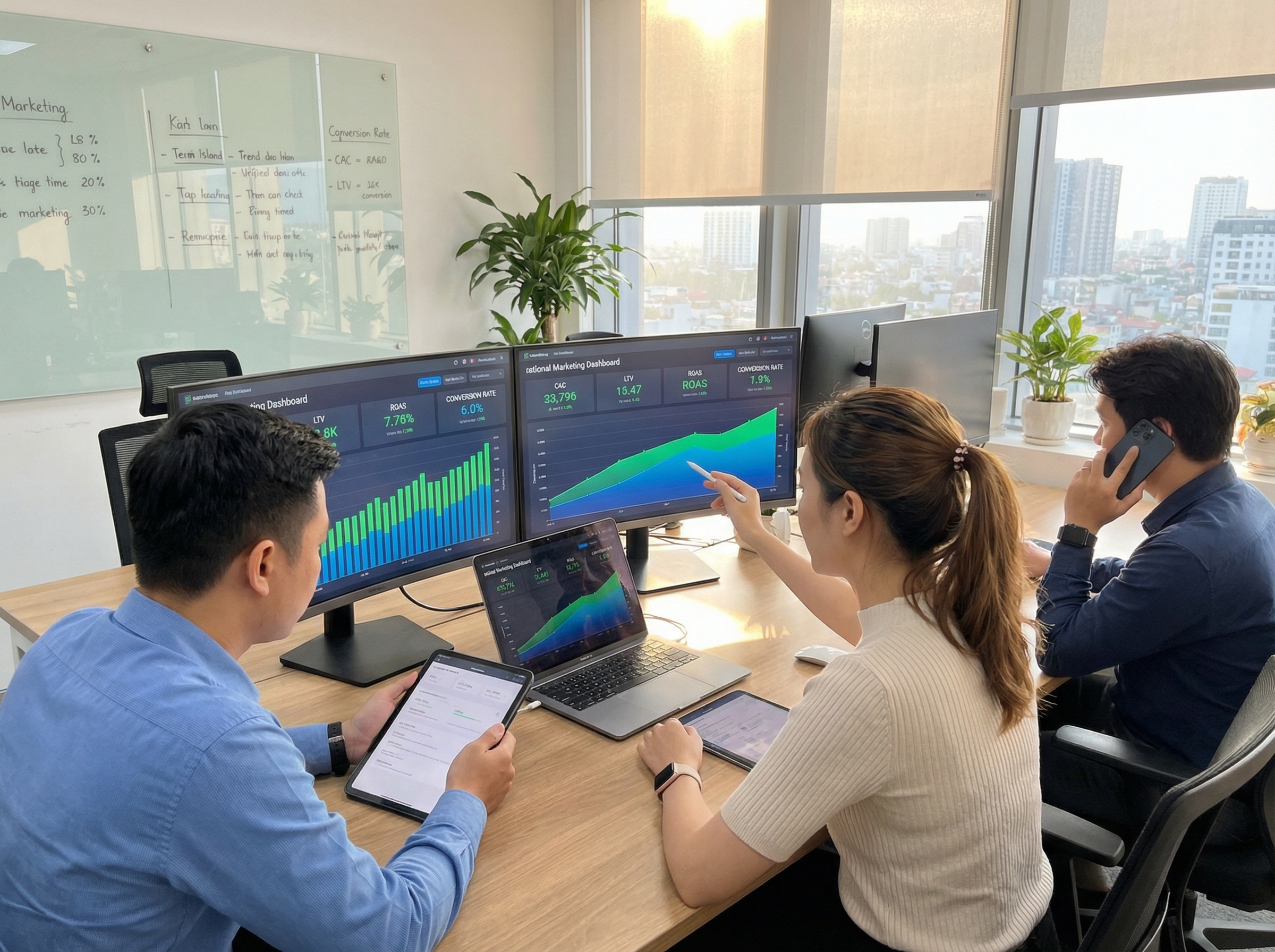
Real-time dashboards and automated reporting eliminate the lag between campaign performance and optimization actions. Custom dashboards should surface the most important metrics—ROAS, CAC, conversion rate, AOV, LTV:CAC ratio—updated throughout the day and segmented by channel, campaign, audience, and product category. OmniFunnel Marketing provides comprehensive reporting with real-time dashboards and clear KPI tracking, enabling clients to understand performance instantly and make data-driven decisions without waiting for manual reports.
Scaling performance marketing requires more than tactics and technology—it demands organizational structure and talent capable of managing increasing complexity. The team and processes that took you from zero to $1 million rarely scale to $10 million without significant evolution.
The in-house versus agency decision becomes more nuanced at scale. Many high-growth brands adopt a hybrid model, maintaining in-house strategic leadership, brand expertise, and customer insights while partnering with specialized agencies for channel expertise, creative production, and execution bandwidth. This approach combines institutional knowledge with specialized capabilities, avoiding the common pitfalls of purely in-house teams (limited perspective, skill gaps) and purely outsourced models (misaligned incentives, lack of brand immersion).
Channel specialization increases as marketing spend grows. Rather than generalists managing multiple platforms, successful scaling requires dedicated specialists for paid search, paid social, SEO, email marketing, and emerging channels. Each platform's complexity and rate of change makes deep expertise increasingly valuable. Specialists stay current with platform updates, beta features, and best practices, extracting performance advantages that generalists miss.
Creative production operations must scale alongside media buying. High-performing brands produce dozens of creative variations weekly, requiring streamlined workflows for concepting, production, testing, and iteration. Building in-house creative capabilities—whether full teams or key freelance relationships—provides the speed and volume needed to keep pace with media consumption while maintaining brand consistency and quality standards.
Process documentation and standardization prevent the chaos that often accompanies rapid scaling. As teams grow, institutional knowledge can't reside solely in individuals' heads. Standard operating procedures for campaign launches, testing protocols, budget pacing, creative reviews, and performance reporting ensure consistent quality and enable efficient onboarding as team size increases.
Continuous learning culture separates scaling winners from those who plateau. The digital marketing landscape evolves constantly—new platforms, algorithm updates, privacy regulations, consumer behaviors, competitive dynamics. Teams committed to ongoing education, industry event participation, certification programs, and cross-functional knowledge sharing maintain the cutting edge expertise required for sustained competitive advantage.
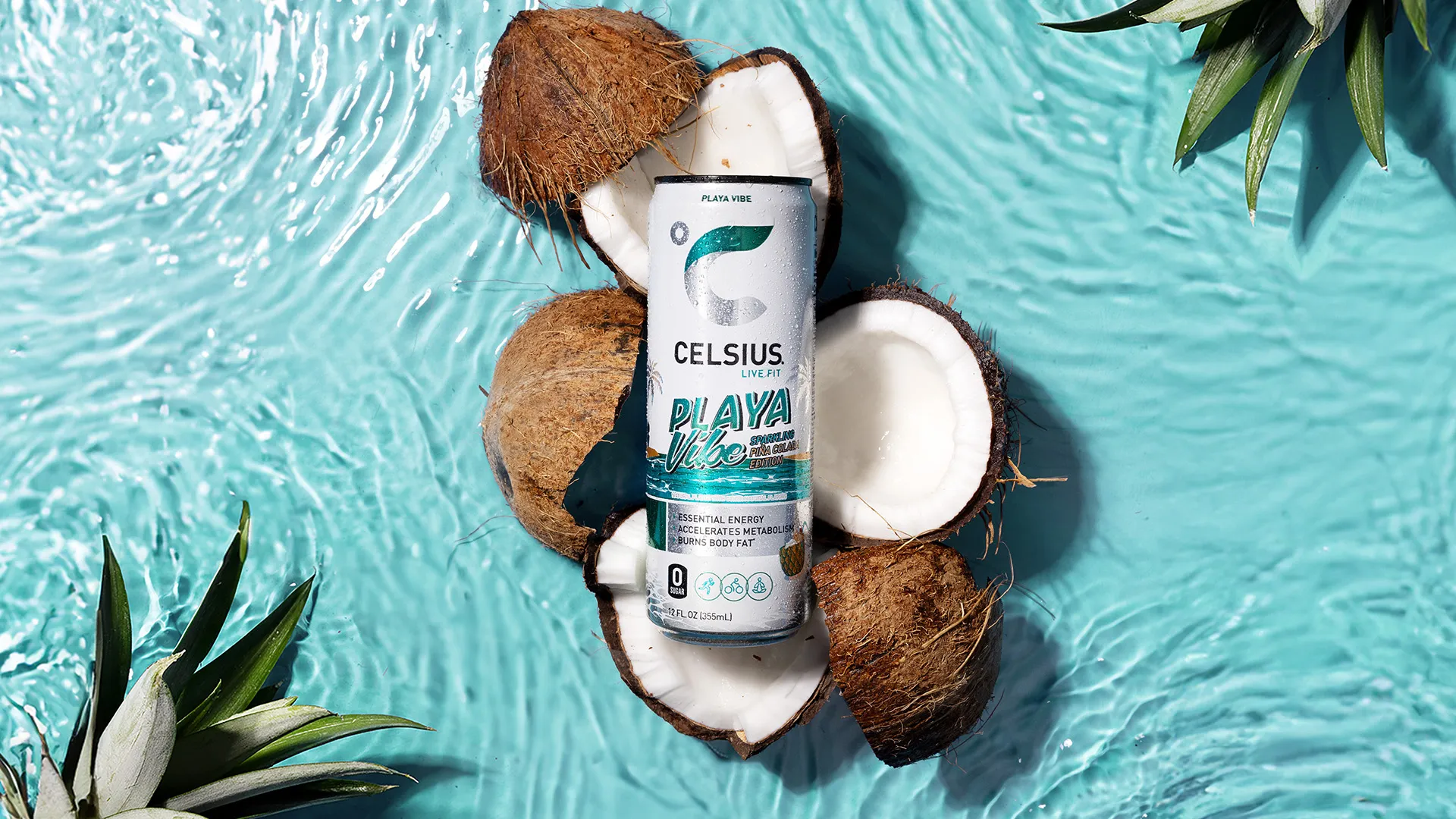
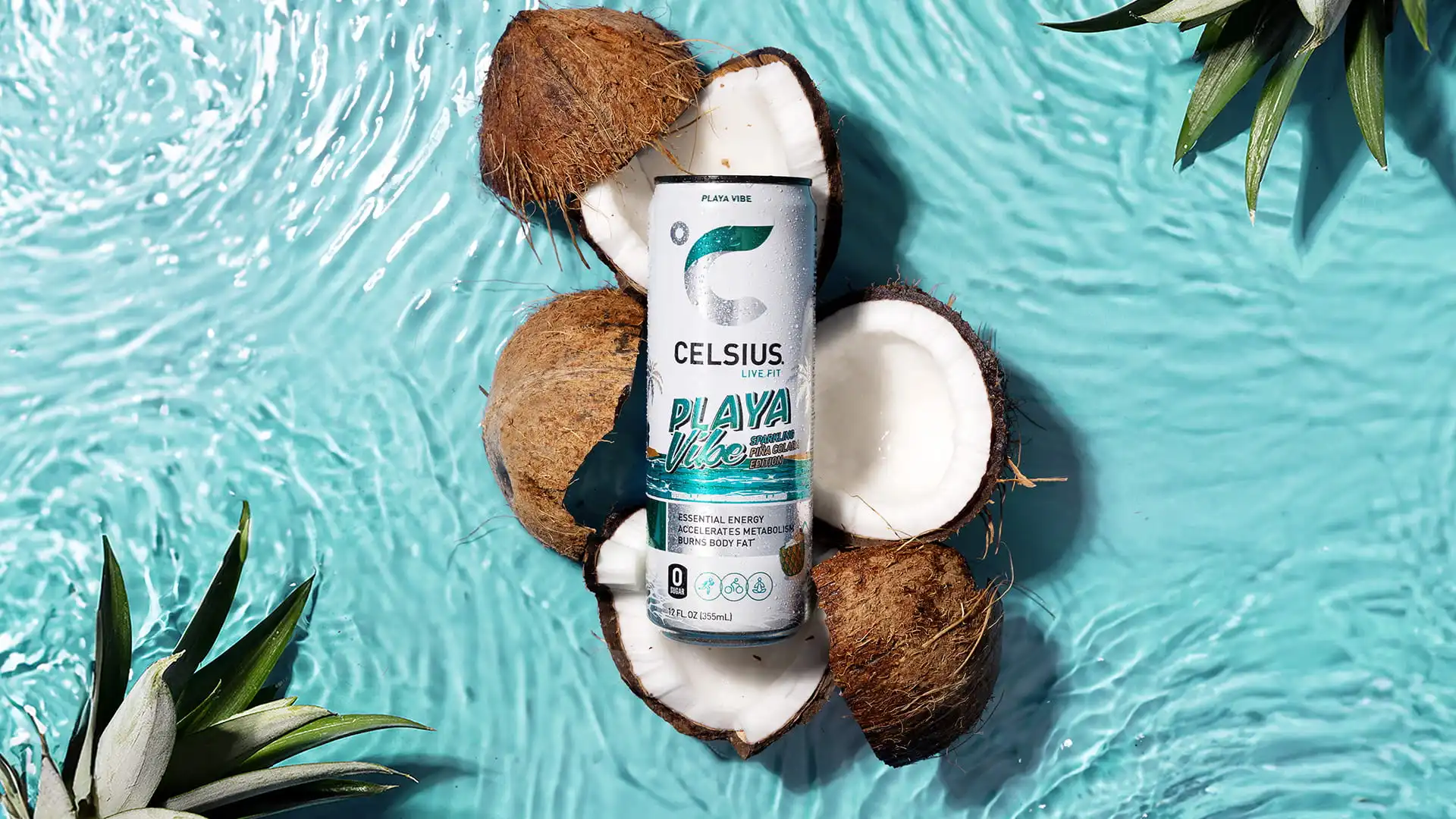
Celsius, the rapidly growing energy drink brand, faced the classic scaling challenge: maintain aggressive growth while improving unit economics in an increasingly competitive and expensive advertising environment. They needed a partner capable of orchestrating complex multi-channel campaigns with the sophistication to optimize for both volume and efficiency simultaneously.
OmniFunnel Marketing implemented a comprehensive performance marketing strategy leveraging proprietary DeepML technology to identify high-value audience segments and optimize campaigns in real-time. The approach combined advanced targeting across Google Ads and Meta platforms, sophisticated creative testing frameworks, conversion rate optimization initiatives, and retention marketing programs designed to maximize customer lifetime value.
Within six months, Celsius achieved a 33% increase in product sales while simultaneously improving marketing efficiency metrics. The success demonstrated that scaling and efficiency optimization aren't mutually exclusive when approached with the right combination of technology, expertise, and strategic framework. This case exemplifies how high-growth eCommerce companies leverage specialized agency partnerships to accelerate scaling while avoiding the efficiency degradation that typically accompanies rapid growth.
Scaling performance marketing for DTC brands requires mastering a complex interplay of acquisition economics, channel diversification, conversion optimization, retention strategies, marketing automation, and organizational capabilities. The brands that successfully navigate this journey from startup to market leader share common characteristics: they obsessively track the metrics that matter, they invest in technology and data infrastructure, they balance acquisition with retention, they test relentlessly, and they build teams and processes designed for scale.
The DTC landscape will continue evolving—new platforms will emerge, privacy regulations will tighten, consumer expectations will rise, and competitive intensity will increase. Yet the fundamental principles of scaled performance marketing remain constant: understand your unit economics, optimize every stage of the customer journey, leverage automation and AI to operate efficiently, diversify across multiple channels, and build systems that compound growth over time.
OmniFunnel Marketing specializes in helping DTC brands navigate these scaling challenges successfully. With proprietary AI technology, proven frameworks, and a track record of delivering results that outperform industry benchmarks—7% conversion rates versus 2.35% average, $38 CAC versus $60 average, 5.25:1 ROAS versus 2.87:1 average—OmniFunnel provides the expertise and execution capabilities that accelerate your path from growth stage to market leadership.
Whether you're looking to scale from $100,000 to $1 million monthly revenue or from $5 million to $50 million, the strategies outlined in this guide provide your roadmap. The question isn't whether performance marketing can drive sustainable scaled growth for your DTC brand—high-growth companies prove it's possible every day. The question is whether you have the right combination of strategy, technology, talent, and execution to capture your share of the $595 billion DTC opportunity. The time to build your scaling engine is now.

As a beacon of innovation, we guide your business through the evolving digital landscape with cutting-edge solutions.

Our steadfast reliability anchors your strategic endeavors, ensuring consistent delivery and performance.

We harness state-of-the-art technology to provide smart, scalable solutions for your digital challenges.

Our extensive experience in the digital domain translates into a rich tapestry of success for your brand.

Upholding the highest standards of digital security, we protect your business interests with unwavering vigilance.

We offer a stable platform in the tumultuous digital market, ensuring your brand's enduring presence and growth.
OmniFunnel Marketing has garnered notable recognition from a range of prestigious media outlets. This acknowledgment from leading publications not only underscores our expertise in the digital marketing realm but also highlights our commitment to delivering exceptional marketing strategies. Our presence in these prominent media sources is a testament to the trust and value we bring to our clients, elevating their marketing efforts to new heights.





As a beacon of innovation, we guide your business through the evolving digital landscape with cutting-edge solutions.
Our steadfast reliability anchors your strategic endeavors, ensuring consistent delivery and performance.
We harness state-of-the-art technology to provide smart, scalable solutions for your digital challenges.
Our extensive experience in the digital domain translates into a rich tapestry of success for your brand.
Upholding the highest standards of digital security, we protect your business interests with unwavering vigilance.
We offer a stable platform in the tumultuous digital market, ensuring your brand's enduring presence and growth.

Experienced Senior Teams
Profit-First Strategy & Consulting
Channel-Specific Paid Media
Tracking & Attribution Specialists
Conversion Rate Optimization (CRO)
In-House Developers
In-House Creative Production
Proprietary First-Party Data Priming
Full-Funnel Feedback Loops
AI Voice Agents & Automated
AI Content Engine
MCP + LLM Real-Time Optimization
Value-Based Bidding & ROI
Installed CMO Leadership
You Own All Assets






Our talented team brings 20+ years of expertise and passion.

Michael Tate, CEO and Co-Founder of OmniFunnel Marketing, is a pioneering leader in leveraging AI and machine learning (ML) technologies to revolutionize digital marketing. With over 20 years of expertise in new media sales, Michael has distinguished himself as an SEO/SEM specialist, adept at integrating AI-driven strategies to enhance paid performance marketing. Since January 2016, he has been instrumental in transforming OmniFunnel Marketing into a hub of innovation, particularly in the legal and medical sectors. His philosophy, “more visibility without more expenditure,” is brought to life through AI-powered marketing tools, offering small and medium-sized firms a competitive edge.
His role involves not just client engagement but also orchestrating AI and ML tools to optimize marketing strategies for ROI maximization. Michael's expertise in AI-driven data analysis and workflow automation enables businesses to achieve unprecedented productivity and efficiency, ensuring robust online presence and profitability.
.webp)
Former foreign policy advisor turned digital marketing and communications consultant, Kalinda's extensive professional journey spans nearly two decades across both public and private sectors. Her expertise lies in strategic and creative marketing strategy, as well as communications management for businesses, associations, and government agencies. Having lived and worked globally, she has had the privilege of assisting businesses—both in the US and abroad—achieve their goals through impactful social media campaigns, community building, outreach, brand recognition, press relations, and corporate communication.
Kalinda's passion lies in cultivating meaningful relationships among stakeholders while building lasting digital brands. Her signature approach involves delving into each client’s unique needs and objectives from the outset, providing highly customized, bespoke service based on their needs. From political leaders to multi-unit restaurant concepts and multi-million dollar brands, Kalinda has successfully guided a diverse range of clients reach and exceed their digital marketing, public relations, and sales goals.

OmniFunnel Marketing's Director of Search Marketing, brings close to 15 years of digital marketing experience to leading the agency's paid media strategy. A dedicated Google Ads specialist at his core, Juan's command extends across Meta, TikTok, and Amazon, with a primary focus on ecommerce and an equally sharp discipline in lead generation. He has built and scaled campaigns across virtually every vertical, from local service businesses to national, multi-market accounts, and his leadership has been central to establishing paid media as one of OmniFunnel's most consistent growth engines.
What separates Juan's work is the conviction that campaigns are only as good as the signal beneath them. Before a dollar scales, he pressure tests the full measurement layer, tracking architecture, event design, and the quality of the conversion data flowing back to each platform, and he operates daily inside attribution platforms like Triple Whale and Northbeam, reconciling what Meta, Google, TikTok, and Amazon each claim against what the business actually banked. That foundation powers the fundamentals that move results: precise account structure, disciplined budget management, and relentless, data-driven testing and optimization, increasingly paired with AI-powered tools to sharpen targeting and surface insights faster. The combination lets OmniFunnel Marketing scale client accounts sustainably, growing spend and revenue in tandem while delivering measurable, lasting business growth.

Camila is a pioneering digital marketing leader who began shaping influencer strategy before it became an industry standard, partnering with mega brands like H&M, Universal Music, FabFitFun, FoxyBae, and Amika to name a few. An early adopter and entrepreneur, she evolved from affiliate manager to blogger to 7-figure ecommerce brand founder, and later accelerated growth for an innovative Silicon Valley software startup redefining personal health data ownership and user empowerment. Along the way, she played a pivotal role in educating leading global agencies, including Starcom, Ogilvy, and Universal McCann, on the power of influencer marketing in its formative years.
At OmniFunnel Marketing, Camila leads creative across every major social platform, Meta, Instagram, TikTok, YouTube, and beyond, carrying concepts from insight through finished production, often in front of the camera herself. She owns the full customer lifecycle as well, with expert command of email and SMS automation inside platforms like Klaviyo, building the flows, segmentation, and campaigns that turn first purchases into durable repeat revenue. With deep expertise in customer acquisition, scalable strategy, and trend forecasting, Camila bridges the gap between people and brands, aligning KPIs with market realities while delivering measurable growth. She remains at the forefront of digital innovation, integrating the power of AI with human insight to fuel growth, relevance, and long-term brand value.

Emma Harris, Chief Operating Officer (COO) of OmniFunnel Marketing, Emma plays a pivotal role in steering the operational direction and strategy of the agency. Her responsibilities are multi-faceted, encompassing various aspects of the agency's operations.
Emma utilizes her extensive operational experience to lead and oversee the agency's day-to-day operations. She is responsible for developing and implementing operational strategies that align with the agency's long-term goals and objectives. Her strategic mindset enables her to foresee market trends and adapt operational strategies accordingly, ensuring the agency remains agile and competitive.

Joseph Pagan, OmniFunnel Marketing's Director of Design & Development, is a visionary in integrating AI and ML into creative design and web development. His belief in the synergy of UI/UX, coding, and AI technologies has been pivotal in advancing OmniFunnel's design and development frontiers. Joseph has led his department in leveraging AI and workflow automation to create websites that are not only aesthetically pleasing but highly functional and intuitive
His approach involves using advanced AI tools to streamline web development processes, ensuring adherence to top-notch coding standards and design guidelines. This leads to enhanced efficiency, accuracy, and client satisfaction. Joseph's extensive experience across different design and development domains, combined with his proficiency in AI and ML, empowers OmniFunnel Marketing to deliver cutting-edge, user-centric digital solutions that drive business growth and customer engagement.

Sarah Martinez, as the Marketing Manager at OmniFunnel Marketing, holds a crucial role in shaping and executing the marketing strategies of the agency. Her responsibilities are diverse and impactful, directly influencing the brand's growth and presence in the market.
Sarah is responsible for crafting and overseeing the execution of marketing campaigns. This involves understanding the agency's objectives, identifying target audiences, and developing strategies that effectively communicate the brand's message. She ensures that each campaign is innovative, aligns with the agency's goals, and resonates with the intended audience.
Discover Success Stories from OmniFunnel's Diverse Portfolio.
Dive into the narratives of our clients who have embraced OmniFunnel's AI-driven marketing solutions to monumental success. Their experiences underscore our commitment to harnessing artificial intelligence for strategic marketing that not only reaches but resonates with target audiences, fostering robust engagement and exceptional growth.
Kevin Stranahan
Jane Martinez
David Butler
Discover Success Stories from OmniFunnel's Diverse Portfolio.
Dive into the narratives of our clients who have embraced OmniFunnel's AI-driven marketing solutions to monumental success. Their experiences underscore our commitment to harnessing artificial intelligence for strategic marketing that not only reaches but resonates with target audiences, fostering robust engagement and exceptional growth.
"OFM's expertise in eCommerce marketing is unparalleled. They optimized our PPC campaigns, revamping our ad spend to yield an astounding ROI. If you're looking to make waves in the digital world, look no further than OFM."
Kevin Stranahan
"Transparency and innovation are at the core of OFM’s services. Their monthly reports are comprehensive, and their readiness to adapt and innovate is remarkable. We've finally found a digital marketing agency we can trust for the long haul."
Jane Martinez
"OmniFunnel's AI solutions have exceeded our expectations and delivered outstanding results."
David Butler
Discover Success Stories from OmniFunnel's Diverse Portfolio.
Dive into the narratives of our clients who have embraced OmniFunnel's AI-driven marketing solutions to monumental success. Their experiences underscore our commitment to harnessing artificial intelligence for strategic marketing that not only reaches but resonates with target audiences, fostering robust engagement and exceptional growth.
"OFM's expertise in eCommerce marketing is unparalleled. They optimized our PPC campaigns, revamping our ad spend to yield an astounding ROI. If you're looking to make waves in the digital world, look no further than OFM."
Kevin Stranahan
"Transparency and innovation are at the core of OFM’s services. Their monthly reports are comprehensive, and their readiness to adapt and innovate is remarkable. We've finally found a digital marketing agency we can trust for the long haul."
Jane Martinez
"OmniFunnel's AI solutions have exceeded our expectations and delivered outstanding results."
David Butler
At OmniFunnel Marketing, we pride ourselves on being a beacon of innovation and excellence in the digital marketing world. As an award-winning agency, we are celebrated for our pioneering strategies and creative ingenuity across the digital landscape. Our expertise is not confined to a single aspect of digital marketing; rather, it encompasses a full spectrum of services, from SEO and PPC to social media and content marketing. Each campaign we undertake is an opportunity to demonstrate our skill in driving transformative results, making us a trusted partner for businesses seeking to navigate and excel in the complex digital arena. Our holistic approach ensures that every facet of digital marketing is leveraged to elevate your brand, engage your audience, and achieve outstanding growth and success



.webp)









Ready to level up your online game? Call (844) 200-6112 or dive into the form below.