

















Get In Touch
Contact Us Today for a
Comprehensive Analysis and Strategy Session.
Ready to level up your online game? Call (844) 200-6112 or dive into the form below.
Embrace the future of collaboration with OmniFunnel's Oculus 2 VR headset offer for valued clients. It's your entry into immersive VR meetings in the metaverse, redefining digital meetings and shaping virtual collaboration in the realm of web3.
Marketing experimentation has evolved from a nice-to-have luxury to an absolute necessity for businesses seeking competitive advantage. In today's data-driven landscape, intuition-based marketing decisions are no longer sufficient. According to recent industry research, 77% of companies are now running A/B testing on their websites, yet only 28% of marketers are satisfied with their conversion rate results. This gap reveals a critical truth: running experiments is not enough. You need a systematic, hypothesis-driven approach that transforms random testing into scalable wins.
The global A/B testing software market is forecast to reach $1.08 billion by 2025, growing at a steady 12.1% CAGR. This explosive growth reflects a fundamental shift in how successful organizations approach marketing optimization. Companies that embrace continuous experimentation see 30-45% better ad performance compared to those that don't. Yet despite these benefits, fewer than 25% of advertisers run controlled tests regularly. The organizations that master marketing experimentation gain an insurmountable advantage, turning every campaign into a learning opportunity that compounds over time.
This comprehensive guide will walk you through the complete marketing experimentation framework, from crafting data-backed hypotheses to implementing enterprise-scale testing programs that deliver measurable, repeatable results. You'll learn how to design rigorous experiments, avoid common statistical pitfalls, and build a culture where experimentation drives continuous improvement across every marketing channel.

Marketing experimentation is a structured, scientific approach to testing hypotheses by isolating specific variables and measuring their direct impact on business outcomes. At its core, an experiment consists of three fundamental components: a test group exposed to the marketing treatment, a control group that does not receive the treatment, and a success metric that quantifies the effect of the treatment such as conversion rate, revenue lift, or customer acquisition cost.
While A/B testing remains the most common experimental method, modern marketing experimentation encompasses a broader toolkit. Multivariate testing allows you to test multiple variables simultaneously, uncovering interaction effects that simple A/B tests miss. Quasi-experimental methods like geolift testing enable you to measure questions that can't be traditionally A/B tested, such as budget allocation across channels or the impact of brand awareness campaigns. Marketing incrementality testing helps you measure true campaign impact beyond last-click attribution, revealing which investments genuinely drive incremental growth.
The value of structured experimentation extends far beyond winning individual tests. According to marketing experimentation research, even industry leaders only see 10-33% success rates on their experiments. This statistic might seem discouraging, but it actually reveals the true power of experimentation: every failed test eliminates ineffective strategies, preventing wasted budget at scale. A single experiment that saves you from scaling a poor-performing campaign can justify an entire year's testing program.
Every successful marketing experiment begins with a strong hypothesis. A hypothesis is not a guess or a question; it's a testable statement that expresses your assumptions about a specific aspect of your marketing strategy, grounded in research, data, and customer insights. The quality of your hypothesis directly determines the value of your experimental insights, regardless of whether the hypothesis is proven or disproven.
According to MarketingSherpa's four-step hypothesis framework, effective hypotheses share several critical characteristics. They must be specific, measurable, achievable, and grounded in insight rather than assumption.
Consider the difference between a weak and strong hypothesis. Weak hypothesis: "Try a new subject line." This provides no direction, no measurable target, and no underlying rationale. Strong hypothesis: "Adding urgency language to email subject lines will increase click-through rates by at least 10% because our customer research shows that 67% of our audience responds to time-sensitive offers." The strong hypothesis includes the specific change, the expected outcome with a quantifiable target, and the research-based reasoning.
The MECLABS methodology provides a powerful structure for hypothesis development using two key components. The IF statement summarizes the mental lever your primary change will pull, describing the cognitive shift you're trying to achieve in your prospective customers' minds. The BY statement lists the specific variables you're testing, typically involving the words "add, remove, or change."
Example hypothesis using the IF/BY framework: "IF we can reduce perceived risk in the checkout process BY adding trust badges, security certifications, and a money-back guarantee, THEN we will increase conversion rates by 15% because our exit surveys show that 43% of cart abandoners cite security concerns."
Hypothesizing should never be the first phase of your experimentation process. Every marketing experiment must begin with thorough research. This ensures your hypothesis is based on actual data, customer insights, and behavioral patterns rather than being pulled from thin air. Research sources include quantitative analytics data, qualitative customer interviews, heatmaps and session recordings, competitive analysis, and historical campaign performance.
Your research should uncover specific friction points, opportunities, or behavioral patterns that become the foundation of your hypothesis. At OmniFunnel Marketing, our proprietary DeepML technology analyzes vast datasets to extract actionable insights that inform hypothesis development. This data-driven approach has enabled our clients to achieve conversion rates of 7% compared to the 2.35% industry benchmark, demonstrating the power of research-backed experimentation.
Once you've generated multiple hypotheses, prioritize them based on two dimensions: potential impact and certainty level. High-impact, high-uncertainty hypotheses should be tested first, as they offer the greatest learning opportunity. Use a value proposition canvas to map your assumptions about customer needs against your proposed solutions, identifying gaps where experimentation can validate or invalidate your strategic direction.

Proper experimental design is the difference between actionable insights and misleading data. A recurring problem in marketing experimentation is cutting corners on scientific rigor, which leads to skewed results and misinformed decisions. If imbalances in traffic distribution between test groups aren't detected early, weeks of effort can be wasted. Similarly, relying on small sample sizes can exaggerate early results, leading to overconfidence in campaigns that ultimately underperform.
The first and foremost requirement is identifying objectives that are meaningful to measure. Typically, these are sales and other business outcomes that marketing campaigns are looking to drive, such as revenue per visitor, customer acquisition cost, lifetime value, or return on ad spend. Your success metrics must align with actual business objectives, not vanity metrics that look impressive but don't impact the bottom line.
Every valid experiment requires both a control group and a treatment group. The control group experiences the existing baseline condition, while the treatment group receives the experimental variation. Random assignment to these groups is critical for eliminating selection bias. Each marketing platform like Facebook and Google has very specific ways to activate audiences and market to them, so experiments must be designed around these campaign-specific levers to control the factors relevant for your marketing experiments.
Sample size and test duration directly impact statistical validity. Automated A/B testing tools deliver results 3.2 times faster than manual testing methods, but speed should never compromise statistical rigor. Calculate your required sample size before launching the experiment based on your baseline conversion rate, minimum detectable effect, and desired statistical power. As a general rule, aim for at least 95% statistical confidence and 80% statistical power.
One of the most common mistakes is stopping tests too early based on preliminary results. Early data often shows exaggerated effects due to small sample sizes and random variation. Establish your test duration and sample size requirements upfront, and resist the temptation to call winners prematurely. Advanced analytics capabilities help you distinguish between genuine effects and statistical noise.
Multiple testing without correction inflates your false positive rate. If you run 20 experiments at a 95% confidence level, probability dictates that one will show a significant result purely by chance. Apply appropriate corrections such as the Bonferroni correction when running multiple simultaneous tests, or structure your testing program to validate winning variations in follow-up experiments before scaling.
Confounding variables can invalidate your results if not properly controlled. Seasonal effects, external events, and simultaneous campaigns can all impact your metrics independent of your experimental treatment. Document all concurrent activities and consider using holdout groups or time-based controls to isolate the true effect of your intervention.
Not every marketing question can be answered with traditional A/B testing. Quasi-experimental designs offer rigorous alternatives when random assignment isn't feasible. Geolift testing divides markets geographically, comparing regions that receive a treatment against control regions. This methodology is particularly valuable for testing brand awareness campaigns, traditional media, or channel budget allocation decisions.
Time-series analysis examines changes before and after an intervention, controlling for seasonal patterns and trends. This approach works well for testing platform-wide changes where you can't maintain a true control group. Causal AI methodologies can help identify cause-and-effect relationships even in observational data, extracting experimental insights from historical campaigns.
With a strong hypothesis and rigorous experimental design in place, implementation becomes a matter of precise execution. The technical setup, monitoring, and analysis phases determine whether your experiment delivers actionable insights or ambiguous results.
Before launching your experiment, complete a comprehensive quality assurance checklist. Verify that tracking is properly implemented across all variants, test the user experience in each condition, confirm that randomization is working correctly, and document all experimental parameters including start date, expected end date, traffic allocation, and success metrics.
Different marketing platforms require different implementation approaches. For website experiments, client-side testing tools like Google Optimize or VWO offer quick deployment but can introduce flicker effects. Server-side testing eliminates flicker and provides more control but requires developer resources. For paid media experiments, use platform-native testing features when available, as they're optimized for the platform's auction dynamics and attribution systems.
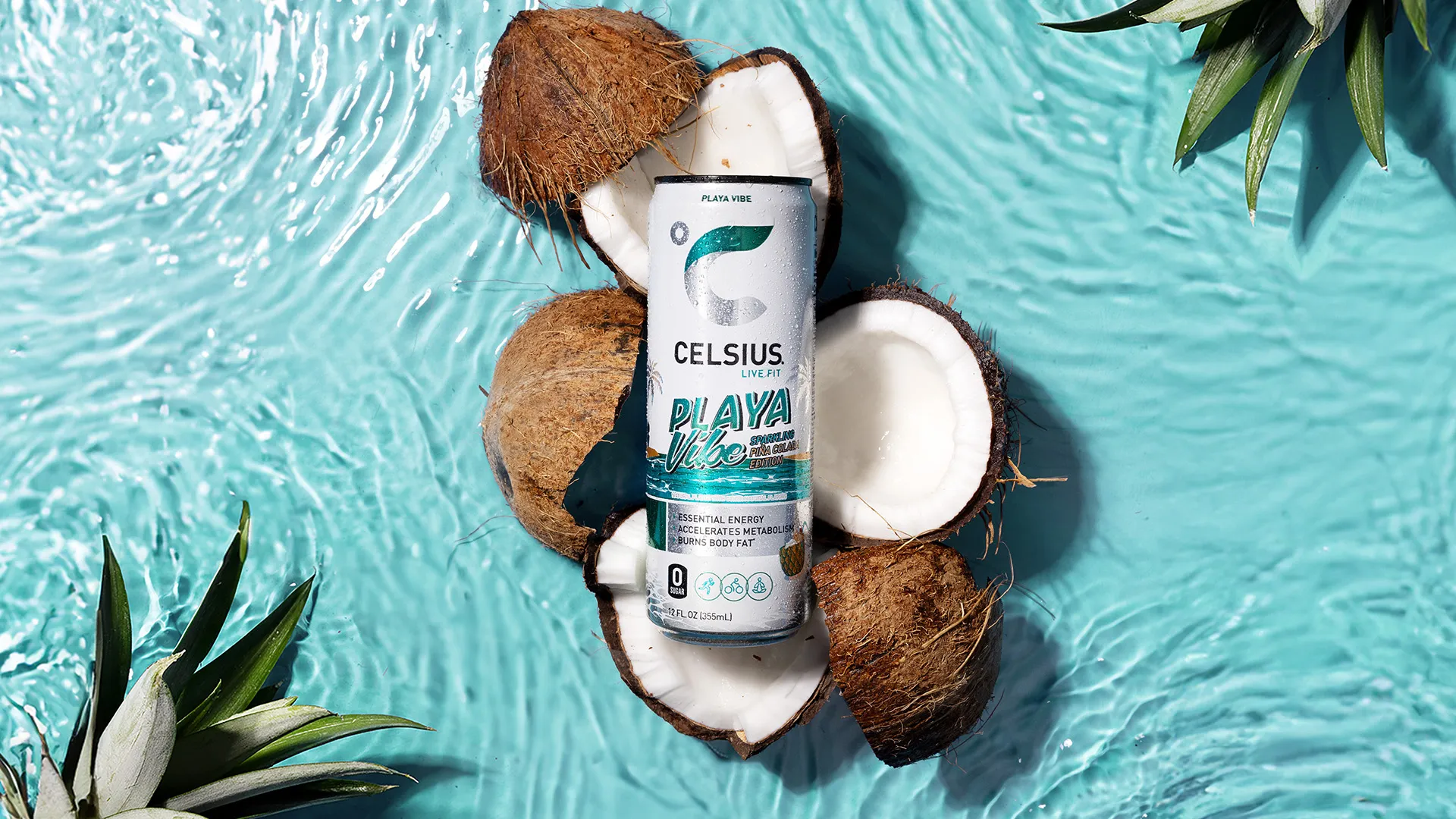
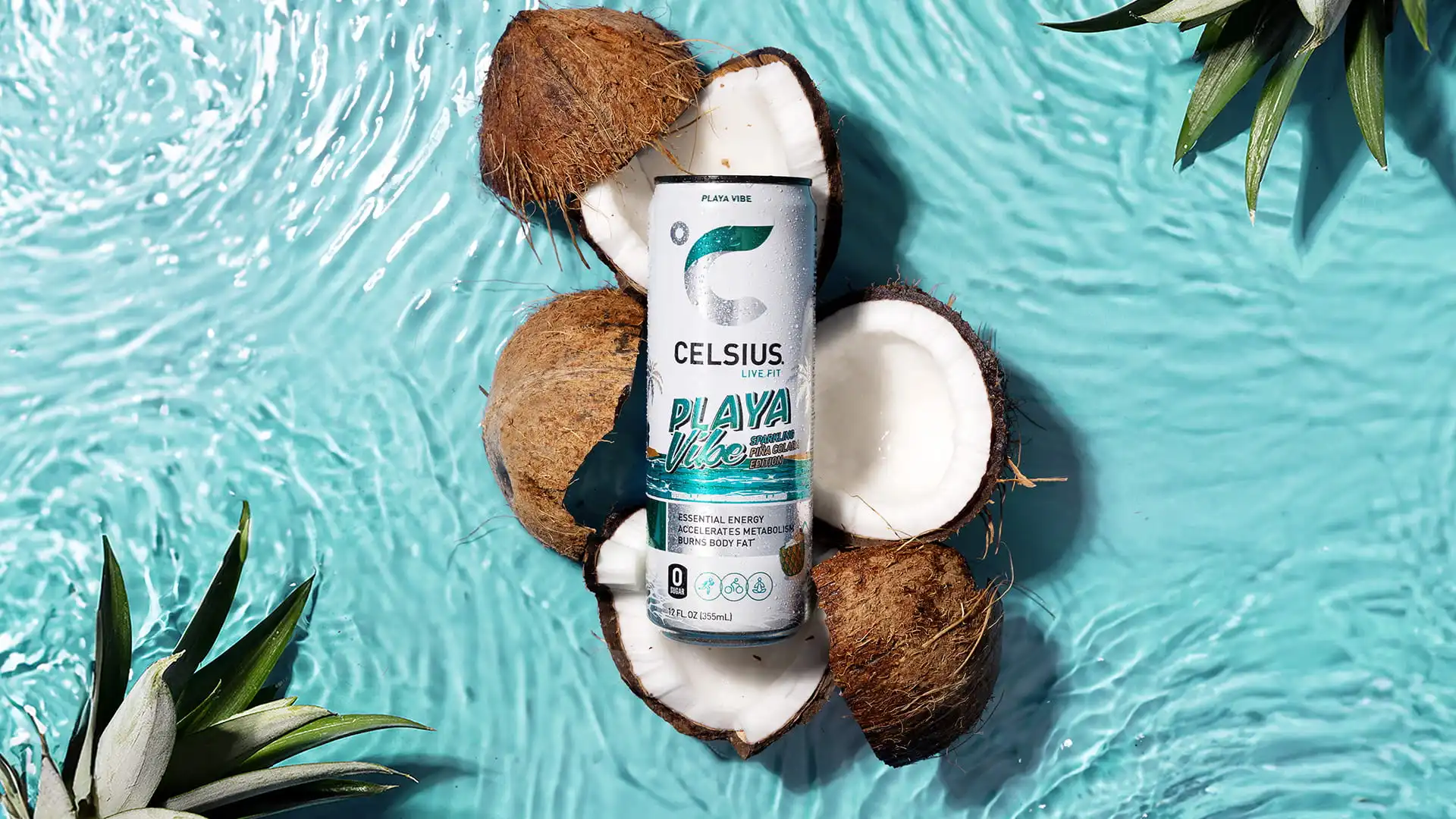
At OmniFunnel Marketing, we leverage our proprietary AI tools to optimize experimental implementation across channels. Our DeepML technology monitors experiments in real-time, detecting anomalies, identifying statistical significance, and recommending optimal traffic allocation. This approach has enabled clients like Celsius to achieve a 33% increase in product sales within six months through systematic experimentation.
Once your experiment is live, continuous monitoring ensures data quality and protects against implementation errors. Check daily for traffic distribution balance, tracking completeness, outlier behavior, and external events that might contaminate results. Set up automated alerts for anomalies such as traffic imbalances exceeding 5%, tracking failure rates above 2%, or conversion rates deviating more than three standard deviations from baseline.
Resist the urge to make changes mid-experiment unless you discover a critical error. Any modification to experimental conditions invalidates previous data and requires restarting the test. If you identify issues, document them thoroughly, determine whether they systematically bias results, and decide whether to fix and restart or continue and account for the issue in analysis.
When your experiment reaches statistical significance and your predetermined sample size, it's time for rigorous analysis. Calculate the effect size, confidence intervals, and statistical significance for your primary success metric. Then examine secondary metrics to understand the full impact of your variation. A variation that increases conversions but decreases average order value might not be a net positive.
Segment your results by key dimensions such as device type, traffic source, new versus returning visitors, and customer segments. Multi-touch attribution systems help you understand how experimental effects vary across the customer journey, revealing which touchpoints benefit most from your optimization.
Statistical significance doesn't automatically mean practical significance. A variation that produces a 0.5% lift with 99% confidence might be statistically significant but operationally irrelevant if implementation requires substantial resources. Evaluate results against your minimum detectable effect threshold established during experimental design. Focus on meaningful changes that justify the effort to implement and maintain.
Identifying a winning variation is only half the battle. The real value comes from successfully implementing and scaling your wins across channels, markets, and customer segments. However, what works in a controlled experiment doesn't always maintain the same effect at scale.
Before investing heavily in scaling a winning variation, validate the result through replication. Run a follow-up experiment with a different audience segment or time period to confirm the effect persists. This validation step protects against false positives and ensures you're not scaling an anomaly. Industry best practices suggest validating any major strategic change with at least one replication experiment.
Test for diminishing returns and interaction effects as you scale. A personalization strategy that lifts conversions 20% for your highest-intent visitors might show only a 5% lift when applied broadly. Understanding these dynamics helps you prioritize where to scale first and where additional testing is needed. Predictive analytics capabilities can forecast how experimental results will perform at different scales, helping you make informed rollout decisions.
Winning insights from one channel often translate to others with proper adaptation. An email subject line approach that increases open rates might inform social ad copy. A landing page value proposition that improves conversions could enhance your product pages. Systematically test whether experimental wins from one channel can be adapted and applied to others.
However, recognize channel-specific constraints and audience differences. Each platform has unique user contexts, intents, and behavioral patterns. What works on a high-intent search landing page might fail on a cold-traffic social ad. Use your original experimental insights as hypotheses for new channel-specific experiments rather than directly copying winning variations.
Scaling experiments often reveals operational challenges not apparent during testing. Creative production requirements, technical infrastructure limitations, team capacity constraints, and process changes all impact your ability to scale. Document these requirements during your validation phase and create an implementation roadmap that addresses each constraint.
Maintain rigorous measurement as you scale. Implement holdout groups that continue to see the original control experience, allowing you to measure the ongoing incremental value of your optimization. This approach protects against external factors or seasonal changes being misattributed to your experimental treatment. Our work with clients like MSI, which achieved 33% new user growth, demonstrates the power of maintaining measurement discipline during scaling phases.
Individual experiments deliver isolated wins. A mature experimentation culture compounds those wins over time, creating a sustainable competitive advantage. Organizations that embed experimentation into their DNA learn faster, adapt quicker, and consistently outperform competitors who rely on best practices and intuition.
Experimentation should not be siloed within the marketing organization. Bring together stakeholders from analytics, product, engineering, and creative to ensure a diversity of perspectives. Cross-functional teams generate better hypotheses, design more rigorous experiments, and implement wins more effectively. Establish clear roles: hypothesis owners who drive the research and testing roadmap, analysts who ensure statistical rigor, and implementation partners who scale winning variations.
Define clear objectives for your experimentation program and put guidelines in place around budget, timelines, and risk tolerance. Create an experimentation charter that outlines decision-making authority, approval processes for high-risk tests, and criteria for scaling wins. This governance framework prevents analysis paralysis while maintaining appropriate oversight.
Every experiment generates valuable knowledge, but only if you capture and disseminate it effectively. Maintain a centralized experiment repository documenting hypotheses, designs, results, and key learnings. This institutional knowledge prevents duplicate testing, helps new team members learn quickly, and enables pattern recognition across experiments.
Celebrate learning, not just wins. Remember that even industry leaders only see 10-33% test success rates. Failed experiments that prevent scaling poor strategies are as valuable as winning tests. Create forums for sharing both successes and failures, focusing on the insights gained rather than the outcome. This psychological safety encourages bold hypothesis generation and rigorous testing rather than safe, incremental experiments.
Testing velocity—the number of quality experiments you can run per quarter—is a leading indicator of experimentation maturity. Brands that A/B test ad copy weekly see 31% higher conversion rates than brands that test less frequently. Increase velocity by standardizing experimental designs, automating repetitive tasks, reducing approval bottlenecks, and building reusable testing frameworks.
Invest in appropriate experimentation platforms that scale with your program. Enterprise solutions like VWO, Optimizely, and AB Tasty offer unified testing across channels, feature management, and personalization capabilities. These platforms reduce implementation friction and enable non-technical teams to launch experiments without constant developer support. However, platform selection should match your organizational maturity—overinvesting too early can be as detrimental as underinvesting when you're ready to scale.
As your experimentation program matures, advanced methodologies unlock deeper insights and more sophisticated optimizations. These approaches require stronger technical capabilities and statistical expertise but deliver outsized returns for organizations ready to implement them.
While A/B testing compares discrete variations, multivariate testing examines multiple variables simultaneously, revealing interaction effects that sequential testing misses. A factorial design tests all combinations of variables—for example, testing four headlines and three CTA buttons in a 4×3 design with 12 total variations.
Multivariate testing requires substantially more traffic than A/B testing, as you must achieve statistical significance across all variations. Use multivariate approaches when you have sufficient traffic, need to understand interaction effects, or want to optimize multiple elements in a single test cycle. For lower-traffic situations, sequential A/B testing often provides faster, more reliable insights.
Personalization represents the evolution of experimentation from finding single winning variations to delivering individualized experiences. Rather than showing everyone the same "winner," experimentation-driven personalization uses machine learning to match individuals with the variation most likely to drive desired behavior.
AI-generated ad copy results in 28% higher click-through rates than non-AI versions, demonstrating the power of algorithmic optimization. AI-powered creative testing can evaluate thousands of variation combinations, identifying patterns that human analysis would miss. This approach requires robust data infrastructure and algorithmic expertise but delivers increasingly superior results as data accumulates.
Traditional A/B testing allocates traffic equally between variations until statistical significance is reached. Bayesian optimization and multi-armed bandit algorithms dynamically adjust traffic allocation based on ongoing performance, sending more traffic to winning variations while continuing to gather data on alternatives.
This approach reduces the opportunity cost of experimentation by minimizing exposure to losing variations. Multi-armed bandits work particularly well for content optimization, email send-time optimization, and scenarios where you're testing multiple variations simultaneously. However, they require more sophisticated statistical infrastructure and don't provide the same clean causal inference as traditional controlled experiments.
An effective experimentation program requires its own measurement framework. Tracking program-level metrics helps you assess whether your testing efforts are delivering organizational value and where to invest in capability development.
Testing velocity measures completed experiments per time period, indicating your program's throughput. Win rate tracks the percentage of experiments showing statistically significant positive results, with industry benchmarks ranging from 10-33%. Average effect size quantifies the typical lift from winning experiments, helping you assess whether you're finding meaningful improvements or marginal gains.
Program impact metrics connect experimentation to business outcomes. Calculate aggregate revenue lift from all scaled experiments, cost savings from avoided poor decisions, and efficiency gains from optimization. At OmniFunnel Marketing, our systematic experimentation approach has delivered 10X paid media revenue increases for clients, with customer acquisition costs reduced to $38 compared to the $60 industry average.
Experimentation programs evolve through predictable maturity stages. Initial programs run occasional ad-hoc tests with inconsistent methodology. Developing programs establish standardized processes and centralized tracking. Mature programs integrate experimentation across the organization with sophisticated statistical methods and automated implementation. Leading programs use AI-driven optimization, real-time personalization, and predictive modeling to stay ahead of market changes.
Assess your current maturity level and identify capability gaps. Common development areas include statistical expertise, technical infrastructure, organizational buy-in, and process standardization. Create a roadmap that builds capabilities sequentially, ensuring each stage establishes the foundation for the next.
Marketing experimentation transforms uncertainty into knowledge and knowledge into competitive advantage. Organizations that master experimentation don't just optimize campaigns—they build learning systems that compound improvements over time, systematically outperforming competitors who rely on static best practices.
Start your experimentation journey by establishing the fundamentals. Build a research-driven hypothesis development process, implement rigorous experimental designs, and create systems to capture and disseminate learnings. Focus initially on testing velocity and statistical rigor rather than sophisticated methods. A simple A/B test executed well delivers more value than a complex multivariate experiment with flawed methodology.
As your program matures, invest in advanced capabilities that multiply your impact. Implement AI-powered optimization to test at scale, develop personalization strategies that deliver individualized experiences, and build cross-functional experimentation teams that break down organizational silos. Remember that companies embracing continuous experimentation see 30-45% better ad performance—but only when experimentation becomes a core competency rather than an occasional activity.
OmniFunnel Marketing has built our entire approach around systematic experimentation and data-driven optimization. Our proprietary DeepML technology and AI-powered tools enable the kind of sophisticated testing programs that typically require large in-house data science teams. We've helped clients across industries implement experimentation cultures that deliver measurable, sustainable growth—from Celsius's 33% sales increase to MSCHF's 140% ROAS improvement.
The question isn't whether to invest in marketing experimentation—it's how quickly you can build the capabilities that separate market leaders from followers. Every day without systematic experimentation is a day your competitors gain ground, learning what works while you rely on guesswork. Start today. Develop your first hypothesis, design your first rigorous experiment, and take the first step toward building a learning organization that compounds wins into lasting competitive advantage.

As a beacon of innovation, we guide your business through the evolving digital landscape with cutting-edge solutions.

Our steadfast reliability anchors your strategic endeavors, ensuring consistent delivery and performance.

We harness state-of-the-art technology to provide smart, scalable solutions for your digital challenges.

Our extensive experience in the digital domain translates into a rich tapestry of success for your brand.

Upholding the highest standards of digital security, we protect your business interests with unwavering vigilance.

We offer a stable platform in the tumultuous digital market, ensuring your brand's enduring presence and growth.
OmniFunnel Marketing has garnered notable recognition from a range of prestigious media outlets. This acknowledgment from leading publications not only underscores our expertise in the digital marketing realm but also highlights our commitment to delivering exceptional marketing strategies. Our presence in these prominent media sources is a testament to the trust and value we bring to our clients, elevating their marketing efforts to new heights.





As a beacon of innovation, we guide your business through the evolving digital landscape with cutting-edge solutions.
Our steadfast reliability anchors your strategic endeavors, ensuring consistent delivery and performance.
We harness state-of-the-art technology to provide smart, scalable solutions for your digital challenges.
Our extensive experience in the digital domain translates into a rich tapestry of success for your brand.
Upholding the highest standards of digital security, we protect your business interests with unwavering vigilance.
We offer a stable platform in the tumultuous digital market, ensuring your brand's enduring presence and growth.

Experienced Senior Teams
Profit-First Strategy & Consulting
Channel-Specific Paid Media
Tracking & Attribution Specialists
Conversion Rate Optimization (CRO)
In-House Developers
In-House Creative Production
Proprietary First-Party Data Priming
Full-Funnel Feedback Loops
AI Voice Agents & Automated
AI Content Engine
MCP + LLM Real-Time Optimization
Value-Based Bidding & ROI
Installed CMO Leadership
You Own All Assets






Our talented team brings 20+ years of expertise and passion.

Michael Tate, CEO and Co-Founder of OmniFunnel Marketing, is a pioneering leader in leveraging AI and machine learning (ML) technologies to revolutionize digital marketing. With over 20 years of expertise in new media sales, Michael has distinguished himself as an SEO/SEM specialist, adept at integrating AI-driven strategies to enhance paid performance marketing. Since January 2016, he has been instrumental in transforming OmniFunnel Marketing into a hub of innovation, particularly in the legal and medical sectors. His philosophy, “more visibility without more expenditure,” is brought to life through AI-powered marketing tools, offering small and medium-sized firms a competitive edge.
His role involves not just client engagement but also orchestrating AI and ML tools to optimize marketing strategies for ROI maximization. Michael's expertise in AI-driven data analysis and workflow automation enables businesses to achieve unprecedented productivity and efficiency, ensuring robust online presence and profitability.
.webp)
Former foreign policy advisor turned digital marketing and communications consultant, Kalinda's extensive professional journey spans nearly two decades across both public and private sectors. Her expertise lies in strategic and creative marketing strategy, as well as communications management for businesses, associations, and government agencies. Having lived and worked globally, she has had the privilege of assisting businesses—both in the US and abroad—achieve their goals through impactful social media campaigns, community building, outreach, brand recognition, press relations, and corporate communication.
Kalinda's passion lies in cultivating meaningful relationships among stakeholders while building lasting digital brands. Her signature approach involves delving into each client’s unique needs and objectives from the outset, providing highly customized, bespoke service based on their needs. From political leaders to multi-unit restaurant concepts and multi-million dollar brands, Kalinda has successfully guided a diverse range of clients reach and exceed their digital marketing, public relations, and sales goals.

OmniFunnel Marketing's Director of Search Marketing, brings close to 15 years of digital marketing experience to leading the agency's paid media strategy. A dedicated Google Ads specialist at his core, Juan's command extends across Meta, TikTok, and Amazon, with a primary focus on ecommerce and an equally sharp discipline in lead generation. He has built and scaled campaigns across virtually every vertical, from local service businesses to national, multi-market accounts, and his leadership has been central to establishing paid media as one of OmniFunnel's most consistent growth engines.
What separates Juan's work is the conviction that campaigns are only as good as the signal beneath them. Before a dollar scales, he pressure tests the full measurement layer, tracking architecture, event design, and the quality of the conversion data flowing back to each platform, and he operates daily inside attribution platforms like Triple Whale and Northbeam, reconciling what Meta, Google, TikTok, and Amazon each claim against what the business actually banked. That foundation powers the fundamentals that move results: precise account structure, disciplined budget management, and relentless, data-driven testing and optimization, increasingly paired with AI-powered tools to sharpen targeting and surface insights faster. The combination lets OmniFunnel Marketing scale client accounts sustainably, growing spend and revenue in tandem while delivering measurable, lasting business growth.

Camila is a pioneering digital marketing leader who began shaping influencer strategy before it became an industry standard, partnering with mega brands like H&M, Universal Music, FabFitFun, FoxyBae, and Amika to name a few. An early adopter and entrepreneur, she evolved from affiliate manager to blogger to 7-figure ecommerce brand founder, and later accelerated growth for an innovative Silicon Valley software startup redefining personal health data ownership and user empowerment. Along the way, she played a pivotal role in educating leading global agencies, including Starcom, Ogilvy, and Universal McCann, on the power of influencer marketing in its formative years.
At OmniFunnel Marketing, Camila leads creative across every major social platform, Meta, Instagram, TikTok, YouTube, and beyond, carrying concepts from insight through finished production, often in front of the camera herself. She owns the full customer lifecycle as well, with expert command of email and SMS automation inside platforms like Klaviyo, building the flows, segmentation, and campaigns that turn first purchases into durable repeat revenue. With deep expertise in customer acquisition, scalable strategy, and trend forecasting, Camila bridges the gap between people and brands, aligning KPIs with market realities while delivering measurable growth. She remains at the forefront of digital innovation, integrating the power of AI with human insight to fuel growth, relevance, and long-term brand value.

Emma Harris, Chief Operating Officer (COO) of OmniFunnel Marketing, Emma plays a pivotal role in steering the operational direction and strategy of the agency. Her responsibilities are multi-faceted, encompassing various aspects of the agency's operations.
Emma utilizes her extensive operational experience to lead and oversee the agency's day-to-day operations. She is responsible for developing and implementing operational strategies that align with the agency's long-term goals and objectives. Her strategic mindset enables her to foresee market trends and adapt operational strategies accordingly, ensuring the agency remains agile and competitive.

Joseph Pagan, OmniFunnel Marketing's Director of Design & Development, is a visionary in integrating AI and ML into creative design and web development. His belief in the synergy of UI/UX, coding, and AI technologies has been pivotal in advancing OmniFunnel's design and development frontiers. Joseph has led his department in leveraging AI and workflow automation to create websites that are not only aesthetically pleasing but highly functional and intuitive
His approach involves using advanced AI tools to streamline web development processes, ensuring adherence to top-notch coding standards and design guidelines. This leads to enhanced efficiency, accuracy, and client satisfaction. Joseph's extensive experience across different design and development domains, combined with his proficiency in AI and ML, empowers OmniFunnel Marketing to deliver cutting-edge, user-centric digital solutions that drive business growth and customer engagement.

Sarah Martinez, as the Marketing Manager at OmniFunnel Marketing, holds a crucial role in shaping and executing the marketing strategies of the agency. Her responsibilities are diverse and impactful, directly influencing the brand's growth and presence in the market.
Sarah is responsible for crafting and overseeing the execution of marketing campaigns. This involves understanding the agency's objectives, identifying target audiences, and developing strategies that effectively communicate the brand's message. She ensures that each campaign is innovative, aligns with the agency's goals, and resonates with the intended audience.
Discover Success Stories from OmniFunnel's Diverse Portfolio.
Dive into the narratives of our clients who have embraced OmniFunnel's AI-driven marketing solutions to monumental success. Their experiences underscore our commitment to harnessing artificial intelligence for strategic marketing that not only reaches but resonates with target audiences, fostering robust engagement and exceptional growth.
Kevin Stranahan
Jane Martinez
David Butler
Discover Success Stories from OmniFunnel's Diverse Portfolio.
Dive into the narratives of our clients who have embraced OmniFunnel's AI-driven marketing solutions to monumental success. Their experiences underscore our commitment to harnessing artificial intelligence for strategic marketing that not only reaches but resonates with target audiences, fostering robust engagement and exceptional growth.
"OFM's expertise in eCommerce marketing is unparalleled. They optimized our PPC campaigns, revamping our ad spend to yield an astounding ROI. If you're looking to make waves in the digital world, look no further than OFM."
Kevin Stranahan
"Transparency and innovation are at the core of OFM’s services. Their monthly reports are comprehensive, and their readiness to adapt and innovate is remarkable. We've finally found a digital marketing agency we can trust for the long haul."
Jane Martinez
"OmniFunnel's AI solutions have exceeded our expectations and delivered outstanding results."
David Butler
Discover Success Stories from OmniFunnel's Diverse Portfolio.
Dive into the narratives of our clients who have embraced OmniFunnel's AI-driven marketing solutions to monumental success. Their experiences underscore our commitment to harnessing artificial intelligence for strategic marketing that not only reaches but resonates with target audiences, fostering robust engagement and exceptional growth.
"OFM's expertise in eCommerce marketing is unparalleled. They optimized our PPC campaigns, revamping our ad spend to yield an astounding ROI. If you're looking to make waves in the digital world, look no further than OFM."
Kevin Stranahan
"Transparency and innovation are at the core of OFM’s services. Their monthly reports are comprehensive, and their readiness to adapt and innovate is remarkable. We've finally found a digital marketing agency we can trust for the long haul."
Jane Martinez
"OmniFunnel's AI solutions have exceeded our expectations and delivered outstanding results."
David Butler
At OmniFunnel Marketing, we pride ourselves on being a beacon of innovation and excellence in the digital marketing world. As an award-winning agency, we are celebrated for our pioneering strategies and creative ingenuity across the digital landscape. Our expertise is not confined to a single aspect of digital marketing; rather, it encompasses a full spectrum of services, from SEO and PPC to social media and content marketing. Each campaign we undertake is an opportunity to demonstrate our skill in driving transformative results, making us a trusted partner for businesses seeking to navigate and excel in the complex digital arena. Our holistic approach ensures that every facet of digital marketing is leveraged to elevate your brand, engage your audience, and achieve outstanding growth and success



.webp)









Ready to level up your online game? Call (844) 200-6112 or dive into the form below.