

















Get In Touch
Contact Us Today for a
Comprehensive Analysis and Strategy Session.
Ready to level up your online game? Call (844) 200-6112 or dive into the form below.
Embrace the future of collaboration with OmniFunnel's Oculus 2 VR headset offer for valued clients. It's your entry into immersive VR meetings in the metaverse, redefining digital meetings and shaping virtual collaboration in the realm of web3.
Your competitors are using the same tired demographic playbook: age, gender, location, income. Meanwhile, profitable micro-segments are hiding in plain sight within your customer data, invisible to traditional analysis methods. These hidden segments represent untapped revenue opportunities that conventional segmentation strategies consistently overlook.
The marketing landscape has fundamentally shifted. According to recent industry analysis, 75% of companies are now using or planning to use AI-powered segmentation, with the integration of AI in market segmentation expected to increase by 30% in the next two years. This isn't just a trend—it's a competitive imperative. Companies that fail to adopt AI-powered audience clustering are operating with a significant disadvantage, missing segments that could drive 10-15% revenue growth.
Traditional market segmentation relies on observable characteristics and historical purchase patterns. This approach creates broad categories that miss the nuanced behavioral signals and psychographic factors that truly drive purchasing decisions. You end up marketing to oversimplified personas that don't reflect the complexity of modern consumer behavior. The result is wasted ad spend, generic messaging, and missed opportunities to connect with high-value prospects who don't fit conventional demographic molds.
AI-powered audience clustering uses machine learning algorithms to analyze vast datasets and identify natural groupings within your customer base. Unlike manual segmentation that relies on predetermined criteria, AI-driven clustering discovers patterns autonomously, revealing segments based on behavioral similarities, purchase propensities, engagement patterns, and predictive indicators that human analysis would never detect.
The technology employs unsupervised learning techniques—primarily clustering algorithms like K-means, hierarchical clustering, and DBSCAN—to process hundreds of variables simultaneously. These algorithms examine customer interactions across multiple touchpoints: website behavior, email engagement, social media activity, purchase history, customer service interactions, and even time-based patterns. The system identifies correlations and creates segments based on statistical similarities rather than assumptions.
The critical differentiator is scale and complexity. While a marketing team might analyze 5-10 variables to create segments, AI systems process 50-500+ variables simultaneously, uncovering multi-dimensional patterns that represent true behavioral cohorts. Organizations implementing AI segmentation systems report 40-60% faster audience analysis and identification of micro-segments that traditional methods missed.

K-means clustering divides your audience into a predetermined number of groups by minimizing the variance within each cluster. This algorithm works exceptionally well when you want to create distinct, non-overlapping segments for targeted campaigns. For instance, an eCommerce brand might discover five distinct shopping behavior patterns: bargain hunters, brand loyalists, impulse buyers, research-intensive purchasers, and seasonal shoppers.
Hierarchical clustering builds a tree-like structure of nested segments, revealing relationships between different customer groups. This approach is particularly valuable for understanding how micro-segments relate to broader categories, enabling both broad and narrow targeting strategies within the same framework.
Density-based algorithms like DBSCAN excel at finding irregularly shaped clusters and identifying outliers. These methods are particularly effective for discovering niche market segments that represent small but highly profitable customer groups—the exact audiences your competitors typically overlook because they don't fit standard demographic profiles.
AI clustering reveals behavioral micro-segments that transcend traditional demographics. Consider a fitness apparel brand that discovered a segment of "wellness-focused professionals" who purchase primarily on Sunday evenings, engage heavily with mental health content, and respond to sustainability messaging. This group included individuals from ages 24-67 across varying income levels—a segment impossible to identify through conventional demographic analysis.
Temporal behavior patterns create another layer of hidden segments. AI identifies customers who exhibit specific time-based behaviors: those who research extensively before purchasing during business hours but convert during late-night browsing sessions, or those who engage cyclically based on payday schedules, seasonal triggers, or life events. These temporal segments enable precision timing for campaigns, dramatically improving conversion rates.
Engagement propensity clusters group customers based on their likelihood to interact with specific content types, channels, or messaging styles. According to machine learning analysis experts, these algorithms can spot patterns and signals that humans would miss, leading to ML-driven targeting that can deliver 30%+ ROI improvements. One segment might respond exclusively to data-driven case studies, while another engages primarily with visual storytelling—insights that transform content strategy and channel allocation.
Cross-category affinity segments identify unexpected product or interest combinations. A home improvement retailer might discover a segment interested in both DIY projects and gourmet cooking, representing an opportunity to cross-promote kitchen renovation products with premium appliance offerings. These non-obvious connections create unique positioning opportunities that competitors haven't recognized.
Churn risk micro-segments go beyond simple at-risk customer identification. Advanced machine learning techniques identify distinct types of churn risk, each requiring different retention strategies. Some customers show engagement decline due to price sensitivity, others due to product satisfaction issues, and still others due to changing life circumstances. Treating all at-risk customers identically wastes resources—AI clustering enables targeted retention approaches for each churn profile.
The process begins with comprehensive data aggregation. AI systems ingest data from every customer touchpoint: CRM systems, website analytics, transaction histories, email marketing platforms, social media interactions, customer service logs, and third-party data sources. The key is breadth and depth—the more data dimensions available, the more nuanced the resulting segments.
Data preparation and cleaning constitute the critical foundation. AI algorithms require standardized, high-quality data to produce reliable results. This phase involves normalizing data formats, handling missing values, removing duplicates, and creating derived features that enhance pattern recognition. For example, raw purchase data transforms into metrics like average order value, purchase frequency, product category preferences, and time-between-purchases patterns.
Feature engineering transforms raw data into variables that reveal behavioral patterns. This process creates calculated metrics such as customer lifetime value predictions, engagement scores, brand affinity indicators, price sensitivity indexes, and channel preference metrics. Advanced systems also incorporate psychographic signals derived from content consumption patterns and interaction behaviors.
Dimensionality reduction techniques like PCA (Principal Component Analysis) condense hundreds of variables into the most influential factors, improving algorithm performance and interpretability. This step ensures that the clustering algorithm focuses on genuinely differentiating characteristics rather than noise or redundant information.
Selecting the appropriate clustering algorithm depends on your data characteristics and business objectives. K-means works well for creating distinct, evenly-sized segments for campaign targeting. Hierarchical clustering excels when you need nested segments for multi-level strategies. Density-based methods shine when looking for niche, high-value segments within larger populations.
Determining the optimal number of clusters involves statistical methods like the elbow method, silhouette analysis, and gap statistics. These techniques identify the point where adding more segments provides diminishing returns in terms of within-cluster similarity. For most marketing applications, 5-15 primary segments with potential sub-segments provide the sweet spot between granularity and manageability.
Statistical validation ensures that discovered segments are stable, distinct, and meaningful. This involves assessing cluster cohesion (how similar members within a segment are), separation (how different segments are from each other), and stability (whether segments remain consistent across different data samples).
The critical step that separates successful implementations from failed experiments is business interpretation. Data scientists must collaborate with marketing teams to translate statistical clusters into actionable business segments with clear characteristics, needs, and opportunities. Each segment requires a profile that includes defining behaviors, likely motivations, preferred channels, content preferences, and strategic recommendations.
Successful implementation begins with establishing clear business objectives. Are you seeking to improve campaign targeting, reduce customer acquisition costs, increase customer lifetime value, identify expansion opportunities, or optimize product recommendations. Your objectives shape which data sources matter most and how segments will be activated.
Technology infrastructure requirements vary based on scale. Small to mid-size operations can leverage platforms like Google Analytics Intelligence, HubSpot's AI tools, or Salesforce Einstein. Larger enterprises often require custom implementations using Python libraries (scikit-learn, TensorFlow) or specialized marketing analytics platforms that offer AI-powered marketing automation capabilities.
According to predictive segmentation implementation guides, starting with a pilot project and scaling gradually ensures AI models are accurate and effective. Select a specific use case—perhaps email campaign optimization or paid media targeting—and apply AI clustering to a subset of your customer base. This approach minimizes risk while demonstrating value and building organizational expertise.
Define success metrics before launching your pilot. Compare AI-generated segments against your existing segmentation approach across key performance indicators: click-through rates, conversion rates, customer acquisition cost, return on ad spend, and customer lifetime value. The performance delta quantifies the value of AI clustering and justifies broader implementation.
AI-discovered segments must integrate seamlessly with your existing marketing technology stack. This requires establishing data pipelines that update segment membership in real-time or near-real-time, ensuring your email platform, advertising platforms, CRM, and personalization engines all recognize and can target the new segments.
Segment activation spans multiple channels. In paid advertising, create custom audiences in platforms like Facebook Ads and Google Ads based on cluster membership. For email marketing, develop segment-specific nurture flows and content strategies. On your website, implement personalization that adapts messaging, product recommendations, and offers based on the visitor's segment. The true power of AI clustering emerges when segments inform every customer touchpoint.
Customer behavior evolves, meaning your segments must too. Implement regular re-clustering—monthly or quarterly depending on your business velocity—to ensure segments remain current and relevant. Monitor segment migration: are customers moving between segments, and what triggers these shifts. This intelligence reveals changing customer needs and market dynamics.
Establish dashboards that track segment-level performance metrics. Which segments generate the highest revenue, the best engagement, the lowest churn. Which segments are growing or shrinking. This visibility enables strategic resource allocation, directing budget and attention toward the most valuable opportunities.
The performance improvements from AI-powered audience clustering are substantial and well-documented. AI-driven audience segmentation leads to 26% better ad targeting and 32% higher conversion rates. Companies implementing these systems consistently outperform those relying on traditional segmentation across every major marketing metric.
Return on ad spend improvements represent one of the most compelling benefits. At OmniFunnel Marketing, our proprietary DeepML technology enables us to achieve a 5.25:1 ROAS compared to the industry average of 2.87:1. For clients like MSCHF, we delivered a 140% increase in ROAS by leveraging AI-powered segmentation that identified high-value micro-segments competitors weren't targeting.
Conversion rate improvements stem from more relevant messaging and better audience-channel matching. Predictive analytics and advanced segmentation enabled us to achieve 7% conversion rates for clients versus the 2.35% industry benchmark—a nearly 3x improvement. These gains result from showing the right message to the right micro-segment at the optimal time.
An eCommerce client came to us with stagnant growth despite healthy traffic numbers. Traditional demographic segmentation had them targeting "women 25-45 interested in fashion"—a segment so broad it was essentially meaningless. We implemented AI clustering that analyzed browsing behavior, purchase patterns, price sensitivity, brand preferences, and content engagement.
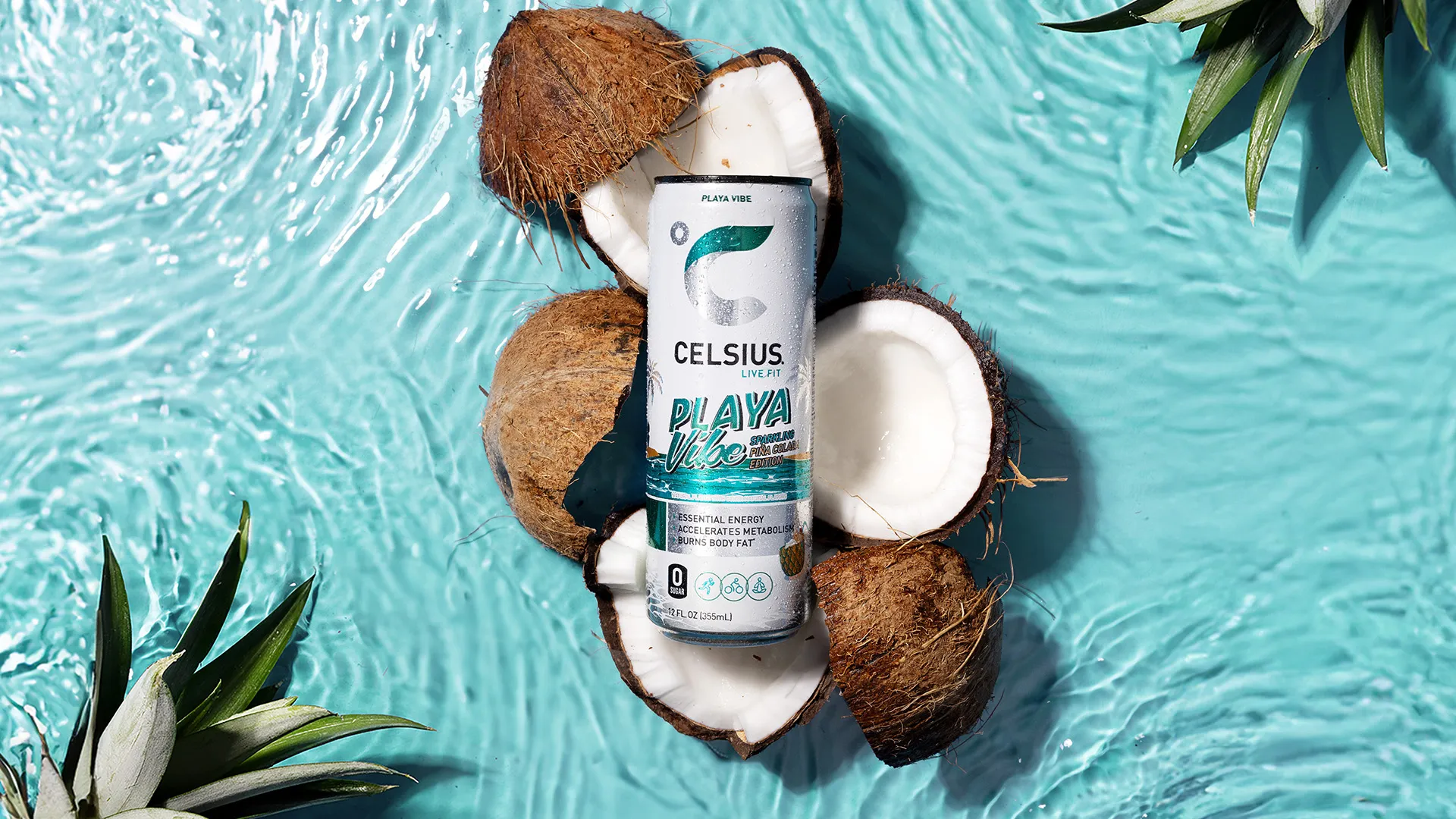
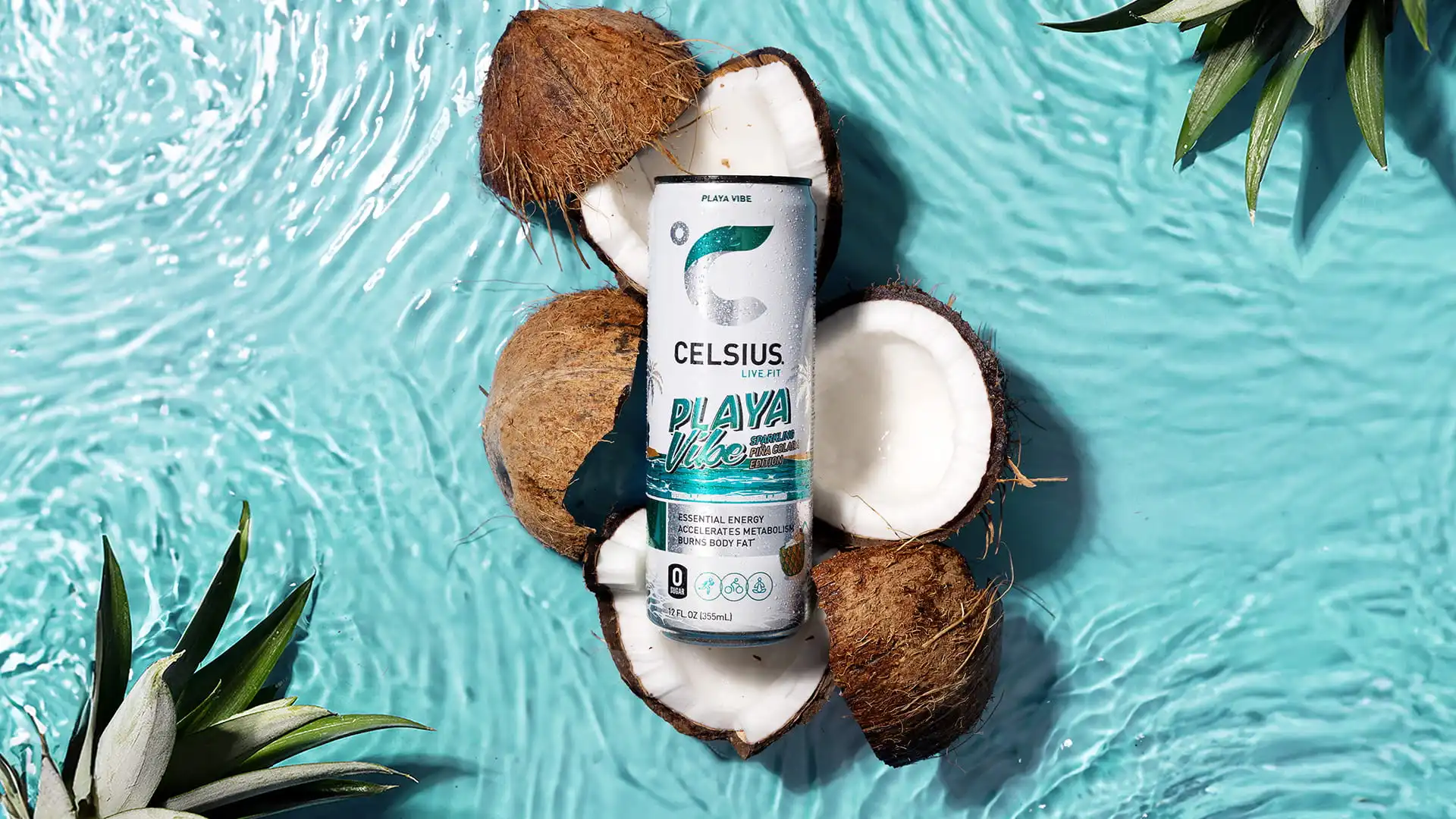
The analysis revealed seven distinct behavioral segments, including a highly profitable "conscious curator" segment that represented just 12% of traffic but generated 34% of revenue. These customers researched extensively, valued sustainability, preferred premium products, and converted best through educational content and detailed product information. By creating dedicated campaigns for this segment and four others with distinct characteristics, the client achieved a 33% increase in product sales—results similar to our work with Celsius.
A B2B technology client struggled with inefficient lead generation spending, treating all prospects similarly based solely on company size and industry. We applied AI clustering to their prospect database and customer history, analyzing engagement patterns, content consumption, buying cycle behaviors, and technology stack indicators.
The clustering revealed that company size was far less predictive than engagement behavior patterns. We identified a "rapid evaluator" segment that moved from awareness to decision in 30-45 days versus the typical 6-month cycle. By creating a specialized nurture track for this segment with condensed content delivery and earlier sales engagement, the client reduced their customer acquisition cost from $245 to $147 while improving close rates by 28%.
AI clustering forms the foundation for sophisticated personalization strategies. Once you understand the distinct behavioral segments within your audience, you can create hyper-personalized customer journeys that speak directly to each segment's needs, preferences, and motivations.
Content personalization extends beyond inserting a first name in an email. For each segment, develop content strategies that align with their information consumption preferences. Some segments respond to data-heavy case studies and ROI calculators. Others prefer visual storytelling and customer testimonials. Still others engage most with how-to guides and educational resources. Matching content format and messaging to segment preferences dramatically improves engagement and conversion.
Website personalization driven by AI segments transforms your site from a static brochure into a dynamic experience that adapts to each visitor. When a member of your "value-conscious researcher" segment arrives, emphasize competitive pricing, detailed specifications, and comparison tools. When a "premium brand loyalist" visits, highlight exclusive features, premium materials, and brand heritage.
Product recommendation engines become exponentially more effective when powered by cluster-based algorithms. Rather than showing "customers who bought X also bought Y" recommendations based on the entire customer base, show recommendations based on what similar segment members purchased. This approach surfaces non-obvious but highly relevant product connections that drive cross-sell and upsell opportunities.
Email campaign optimization through AI clustering goes beyond basic list segmentation. Develop distinct email journeys for each cluster with messaging, offers, and content tailored to their preferences. A "bargain hunter" segment receives promotional campaigns highlighting discounts and limited-time offers. A "quality-focused professional" segment receives emails emphasizing premium features, expert endorsements, and long-term value.
Send-time optimization leverages temporal patterns identified during clustering. Some segments engage primarily during work hours, others during evening leisure time. Some show weekly patterns (Monday planning, Friday purchasing), while others respond to monthly cycles. Delivering messages when each segment is most receptive improves open rates by 15-25% and click-through rates by 20-35%.
Data quality issues represent the most common implementation obstacle. Incomplete customer records, inconsistent data formats, siloed databases, and outdated information all undermine clustering accuracy. Address this by implementing robust data governance practices, establishing single customer views that consolidate information across systems, and creating processes for continuous data quality improvement.
Organizational alignment challenges emerge when data science teams create statistically sound segments that marketing teams don't understand or can't activate. Bridge this gap through collaborative segment development sessions where technical and business stakeholders jointly interpret clustering results and define segment characteristics. Create clear segment profiles with names, descriptions, key behaviors, and activation strategies that everyone understands.
The tension between segment granularity and operational feasibility challenges many organizations. AI can identify 50+ micro-segments, but can your marketing team realistically create and manage campaigns for that many groups. The solution is hierarchical segmentation: create 5-8 primary segments for major strategic initiatives, with sub-segments for tactical optimization in high-value areas.
Marketing automation becomes essential as segment complexity increases. Platforms that support dynamic content, conditional logic, and segment-based workflow automation enable you to deliver personalized experiences across many segments without proportionally increasing manual effort. This is where the investment in AI clustering delivers compounding returns—the same team can manage increasingly sophisticated segmentation with the right technology infrastructure.
Privacy regulations like GDPR and CCPA require careful attention when implementing AI clustering. Ensure your data collection practices include proper consent, your clustering algorithms don't create segments based on protected characteristics, and you maintain transparency about how customer data informs personalization. These aren't just legal requirements—they're essential for maintaining customer trust.
Ethical segmentation practices avoid exploiting vulnerable populations or creating discriminatory targeting. Implement review processes that evaluate segments for potential ethical concerns before activation. The goal is to create value for customers through relevance, not to manipulate through hyper-targeting of susceptibilities.
The evolution toward real-time, dynamic segmentation is already underway. Rather than static monthly re-clustering, next-generation systems update segment membership in real-time as customers exhibit new behaviors. A customer researching a major purchase might temporarily move into a "high-intent evaluator" segment, triggering appropriate messaging and offers, then return to their standard segment after conversion. This fluidity enables moment-based marketing that responds to customer needs as they emerge.
Predictive segment migration takes this further by forecasting which segment a customer will likely move into next. Identifying customers on the verge of upgrading from a "basic user" to "power user" segment enables proactive engagement that accelerates the transition. Similarly, detecting early signals of movement toward a churn-risk segment triggers retention interventions before significant disengagement occurs.
Improved identity resolution technologies enable clustering across devices, platforms, and channels with greater accuracy. Understanding that a mobile app user, desktop website visitor, and email subscriber are the same person allows for unified behavioral analysis and more accurate segment assignment. This holistic view reveals patterns that device-siloed analysis misses.
Omnichannel orchestration powered by AI clustering coordinates experiences across every touchpoint. Your segment membership influences not just digital advertising and email, but also call center scripting, in-store experiences for retail brands, and product development priorities. This comprehensive approach to segment activation represents the ultimate realization of customer-centric marketing.
The convergence of audience clustering and generative AI will enable automatic creation of segment-specific creative assets. Rather than manually designing separate campaigns for each segment, AI systems will generate variations in messaging, visuals, and offers optimized for each cluster's preferences. This dramatically reduces the resource requirements for personalized marketing while improving relevance and performance.
Continuous learning systems will automatically test, learn, and optimize segment strategies without human intervention. These AI systems will identify which segments respond best to specific approaches, automatically allocate budget toward the highest-performing segment-channel-message combinations, and surface insights about emerging patterns or opportunities that warrant strategic attention.
Begin with an honest assessment of your current state. Evaluate your data infrastructure, existing segmentation approaches, technology capabilities, and organizational readiness. Identify gaps between where you are and what's required for effective AI clustering. This assessment informs your roadmap and helps set realistic expectations.
Identify quick-win opportunities where AI clustering can deliver fast results with limited complexity. Email campaign optimization, paid media audience refinement, or website personalization pilots often provide strong initial use cases. These projects build momentum, demonstrate value, and create organizational buy-in for broader initiatives.
The build-versus-partner decision depends on your resources, timeline, and strategic priorities. Building internal capabilities provides long-term control and customization but requires significant investment in talent, technology, and time. Partnering with specialized agencies like OmniFunnel Marketing accelerates time-to-value by leveraging existing expertise, technology, and proven methodologies.
Many organizations adopt a hybrid approach: partnering initially to implement AI clustering and achieve quick results while simultaneously building internal capabilities for long-term ownership. This strategy combines the speed of external expertise with the sustainability of internal development.
Establish a comprehensive measurement framework before implementation. Track both efficiency metrics (reduced cost per acquisition, improved conversion rates, higher engagement) and effectiveness metrics (revenue growth, customer lifetime value improvement, market share gains). Compare segment-based campaigns against control groups using your previous segmentation approach to isolate the impact of AI clustering.
Calculate ROI by quantifying both hard benefits (increased revenue, reduced costs) and soft benefits (improved customer satisfaction, better strategic insights, competitive advantages). Most organizations see positive ROI within 6-12 months, with returns accelerating as capabilities mature and applications expand across more use cases.
AI-powered audience clustering has evolved from experimental technology to competitive necessity. Your competitors are either already using these capabilities or rapidly developing them. The question isn't whether to adopt AI clustering, but how quickly you can implement it effectively and at scale.
The hidden market segments revealed through AI clustering represent your most significant untapped growth opportunity. These micro-segments—invisible to demographic analysis and missed by competitors using traditional approaches—often deliver disproportionate value. Finding and activating just 2-3 high-value hidden segments can transform your marketing performance and business results.
The gap between leaders and laggards in marketing sophistication is widening. Organizations that master AI-powered segmentation are achieving 2-3x better results than those still relying on conventional approaches. This performance delta compounds over time, making it increasingly difficult for late adopters to catch up.
OmniFunnel Marketing has helped over 1,700 clients implement AI-powered marketing strategies that deliver measurable results. Our proprietary DeepML technology and proven methodologies enable rapid deployment of sophisticated audience clustering that uncovers the hidden segments driving your next phase of growth. Whether you're just beginning your AI journey or looking to optimize existing capabilities, our team brings the expertise, technology, and track record to accelerate your success.
The hidden market segments are there, within your existing customer data, waiting to be discovered. The only question is whether you'll find them first—or watch your competitors capitalize on opportunities you didn't know existed. The time to implement AI-powered audience clustering is now, while competitive advantages remain available to those willing to lead rather than follow.

As a beacon of innovation, we guide your business through the evolving digital landscape with cutting-edge solutions.

Our steadfast reliability anchors your strategic endeavors, ensuring consistent delivery and performance.

We harness state-of-the-art technology to provide smart, scalable solutions for your digital challenges.

Our extensive experience in the digital domain translates into a rich tapestry of success for your brand.

Upholding the highest standards of digital security, we protect your business interests with unwavering vigilance.

We offer a stable platform in the tumultuous digital market, ensuring your brand's enduring presence and growth.
OmniFunnel Marketing has garnered notable recognition from a range of prestigious media outlets. This acknowledgment from leading publications not only underscores our expertise in the digital marketing realm but also highlights our commitment to delivering exceptional marketing strategies. Our presence in these prominent media sources is a testament to the trust and value we bring to our clients, elevating their marketing efforts to new heights.





As a beacon of innovation, we guide your business through the evolving digital landscape with cutting-edge solutions.
Our steadfast reliability anchors your strategic endeavors, ensuring consistent delivery and performance.
We harness state-of-the-art technology to provide smart, scalable solutions for your digital challenges.
Our extensive experience in the digital domain translates into a rich tapestry of success for your brand.
Upholding the highest standards of digital security, we protect your business interests with unwavering vigilance.
We offer a stable platform in the tumultuous digital market, ensuring your brand's enduring presence and growth.

Experienced Senior Teams
Profit-First Strategy & Consulting
Channel-Specific Paid Media
Tracking & Attribution Specialists
Conversion Rate Optimization (CRO)
In-House Developers
In-House Creative Production
Proprietary First-Party Data Priming
Full-Funnel Feedback Loops
AI Voice Agents & Automated
AI Content Engine
MCP + LLM Real-Time Optimization
Value-Based Bidding & ROI
Installed CMO Leadership
You Own All Assets






Our talented team brings 20+ years of expertise and passion.

Michael Tate, CEO and Co-Founder of OmniFunnel Marketing, is a pioneering leader in leveraging AI and machine learning (ML) technologies to revolutionize digital marketing. With over 20 years of expertise in new media sales, Michael has distinguished himself as an SEO/SEM specialist, adept at integrating AI-driven strategies to enhance paid performance marketing. Since January 2016, he has been instrumental in transforming OmniFunnel Marketing into a hub of innovation, particularly in the legal and medical sectors. His philosophy, “more visibility without more expenditure,” is brought to life through AI-powered marketing tools, offering small and medium-sized firms a competitive edge.
His role involves not just client engagement but also orchestrating AI and ML tools to optimize marketing strategies for ROI maximization. Michael's expertise in AI-driven data analysis and workflow automation enables businesses to achieve unprecedented productivity and efficiency, ensuring robust online presence and profitability.
.webp)
Former foreign policy advisor turned digital marketing and communications consultant, Kalinda's extensive professional journey spans nearly two decades across both public and private sectors. Her expertise lies in strategic and creative marketing strategy, as well as communications management for businesses, associations, and government agencies. Having lived and worked globally, she has had the privilege of assisting businesses—both in the US and abroad—achieve their goals through impactful social media campaigns, community building, outreach, brand recognition, press relations, and corporate communication.
Kalinda's passion lies in cultivating meaningful relationships among stakeholders while building lasting digital brands. Her signature approach involves delving into each client’s unique needs and objectives from the outset, providing highly customized, bespoke service based on their needs. From political leaders to multi-unit restaurant concepts and multi-million dollar brands, Kalinda has successfully guided a diverse range of clients reach and exceed their digital marketing, public relations, and sales goals.

OmniFunnel Marketing's Director of Search Marketing, brings close to 15 years of digital marketing experience to leading the agency's paid media strategy. A dedicated Google Ads specialist at his core, Juan's command extends across Meta, TikTok, and Amazon, with a primary focus on ecommerce and an equally sharp discipline in lead generation. He has built and scaled campaigns across virtually every vertical, from local service businesses to national, multi-market accounts, and his leadership has been central to establishing paid media as one of OmniFunnel's most consistent growth engines.
What separates Juan's work is the conviction that campaigns are only as good as the signal beneath them. Before a dollar scales, he pressure tests the full measurement layer, tracking architecture, event design, and the quality of the conversion data flowing back to each platform, and he operates daily inside attribution platforms like Triple Whale and Northbeam, reconciling what Meta, Google, TikTok, and Amazon each claim against what the business actually banked. That foundation powers the fundamentals that move results: precise account structure, disciplined budget management, and relentless, data-driven testing and optimization, increasingly paired with AI-powered tools to sharpen targeting and surface insights faster. The combination lets OmniFunnel Marketing scale client accounts sustainably, growing spend and revenue in tandem while delivering measurable, lasting business growth.

Camila is a pioneering digital marketing leader who began shaping influencer strategy before it became an industry standard, partnering with mega brands like H&M, Universal Music, FabFitFun, FoxyBae, and Amika to name a few. An early adopter and entrepreneur, she evolved from affiliate manager to blogger to 7-figure ecommerce brand founder, and later accelerated growth for an innovative Silicon Valley software startup redefining personal health data ownership and user empowerment. Along the way, she played a pivotal role in educating leading global agencies, including Starcom, Ogilvy, and Universal McCann, on the power of influencer marketing in its formative years.
At OmniFunnel Marketing, Camila leads creative across every major social platform, Meta, Instagram, TikTok, YouTube, and beyond, carrying concepts from insight through finished production, often in front of the camera herself. She owns the full customer lifecycle as well, with expert command of email and SMS automation inside platforms like Klaviyo, building the flows, segmentation, and campaigns that turn first purchases into durable repeat revenue. With deep expertise in customer acquisition, scalable strategy, and trend forecasting, Camila bridges the gap between people and brands, aligning KPIs with market realities while delivering measurable growth. She remains at the forefront of digital innovation, integrating the power of AI with human insight to fuel growth, relevance, and long-term brand value.

Emma Harris, Chief Operating Officer (COO) of OmniFunnel Marketing, Emma plays a pivotal role in steering the operational direction and strategy of the agency. Her responsibilities are multi-faceted, encompassing various aspects of the agency's operations.
Emma utilizes her extensive operational experience to lead and oversee the agency's day-to-day operations. She is responsible for developing and implementing operational strategies that align with the agency's long-term goals and objectives. Her strategic mindset enables her to foresee market trends and adapt operational strategies accordingly, ensuring the agency remains agile and competitive.

Joseph Pagan, OmniFunnel Marketing's Director of Design & Development, is a visionary in integrating AI and ML into creative design and web development. His belief in the synergy of UI/UX, coding, and AI technologies has been pivotal in advancing OmniFunnel's design and development frontiers. Joseph has led his department in leveraging AI and workflow automation to create websites that are not only aesthetically pleasing but highly functional and intuitive
His approach involves using advanced AI tools to streamline web development processes, ensuring adherence to top-notch coding standards and design guidelines. This leads to enhanced efficiency, accuracy, and client satisfaction. Joseph's extensive experience across different design and development domains, combined with his proficiency in AI and ML, empowers OmniFunnel Marketing to deliver cutting-edge, user-centric digital solutions that drive business growth and customer engagement.

Sarah Martinez, as the Marketing Manager at OmniFunnel Marketing, holds a crucial role in shaping and executing the marketing strategies of the agency. Her responsibilities are diverse and impactful, directly influencing the brand's growth and presence in the market.
Sarah is responsible for crafting and overseeing the execution of marketing campaigns. This involves understanding the agency's objectives, identifying target audiences, and developing strategies that effectively communicate the brand's message. She ensures that each campaign is innovative, aligns with the agency's goals, and resonates with the intended audience.
Discover Success Stories from OmniFunnel's Diverse Portfolio.
Dive into the narratives of our clients who have embraced OmniFunnel's AI-driven marketing solutions to monumental success. Their experiences underscore our commitment to harnessing artificial intelligence for strategic marketing that not only reaches but resonates with target audiences, fostering robust engagement and exceptional growth.
Kevin Stranahan
Jane Martinez
David Butler
Discover Success Stories from OmniFunnel's Diverse Portfolio.
Dive into the narratives of our clients who have embraced OmniFunnel's AI-driven marketing solutions to monumental success. Their experiences underscore our commitment to harnessing artificial intelligence for strategic marketing that not only reaches but resonates with target audiences, fostering robust engagement and exceptional growth.
"OFM's expertise in eCommerce marketing is unparalleled. They optimized our PPC campaigns, revamping our ad spend to yield an astounding ROI. If you're looking to make waves in the digital world, look no further than OFM."
Kevin Stranahan
"Transparency and innovation are at the core of OFM’s services. Their monthly reports are comprehensive, and their readiness to adapt and innovate is remarkable. We've finally found a digital marketing agency we can trust for the long haul."
Jane Martinez
"OmniFunnel's AI solutions have exceeded our expectations and delivered outstanding results."
David Butler
Discover Success Stories from OmniFunnel's Diverse Portfolio.
Dive into the narratives of our clients who have embraced OmniFunnel's AI-driven marketing solutions to monumental success. Their experiences underscore our commitment to harnessing artificial intelligence for strategic marketing that not only reaches but resonates with target audiences, fostering robust engagement and exceptional growth.
"OFM's expertise in eCommerce marketing is unparalleled. They optimized our PPC campaigns, revamping our ad spend to yield an astounding ROI. If you're looking to make waves in the digital world, look no further than OFM."
Kevin Stranahan
"Transparency and innovation are at the core of OFM’s services. Their monthly reports are comprehensive, and their readiness to adapt and innovate is remarkable. We've finally found a digital marketing agency we can trust for the long haul."
Jane Martinez
"OmniFunnel's AI solutions have exceeded our expectations and delivered outstanding results."
David Butler
At OmniFunnel Marketing, we pride ourselves on being a beacon of innovation and excellence in the digital marketing world. As an award-winning agency, we are celebrated for our pioneering strategies and creative ingenuity across the digital landscape. Our expertise is not confined to a single aspect of digital marketing; rather, it encompasses a full spectrum of services, from SEO and PPC to social media and content marketing. Each campaign we undertake is an opportunity to demonstrate our skill in driving transformative results, making us a trusted partner for businesses seeking to navigate and excel in the complex digital arena. Our holistic approach ensures that every facet of digital marketing is leveraged to elevate your brand, engage your audience, and achieve outstanding growth and success



.webp)









Ready to level up your online game? Call (844) 200-6112 or dive into the form below.